Innovative Glass Facades: Blending Modern Design with Historical Architecture
Historic buildings tell the story of Britain’s architectural heritage, yet many require careful updates, in order to meet modern needs. Glass facades are one of those options that offer a direct solution by way of blending contemporary design with traditional features, and boosting the natural light exposure and energy efficiency in one go.
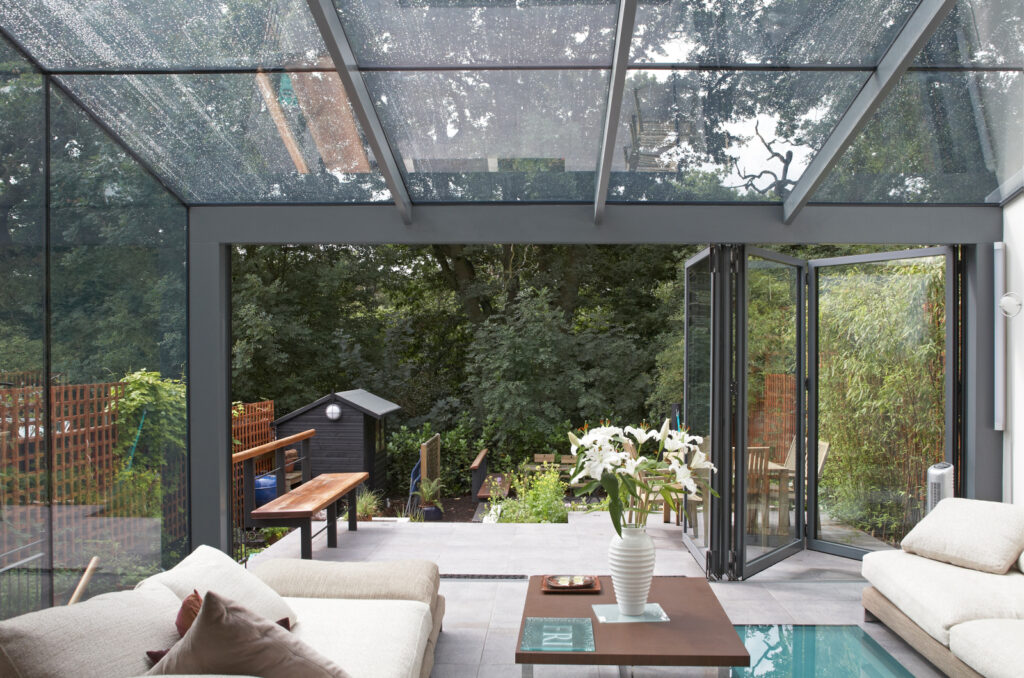
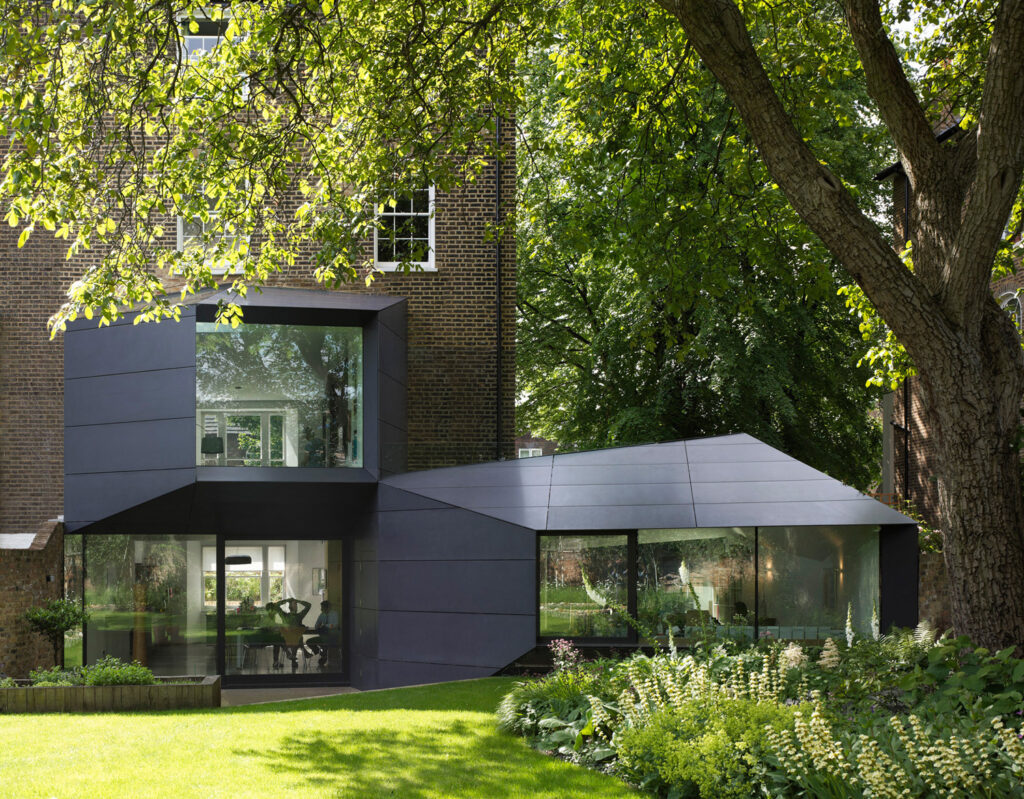
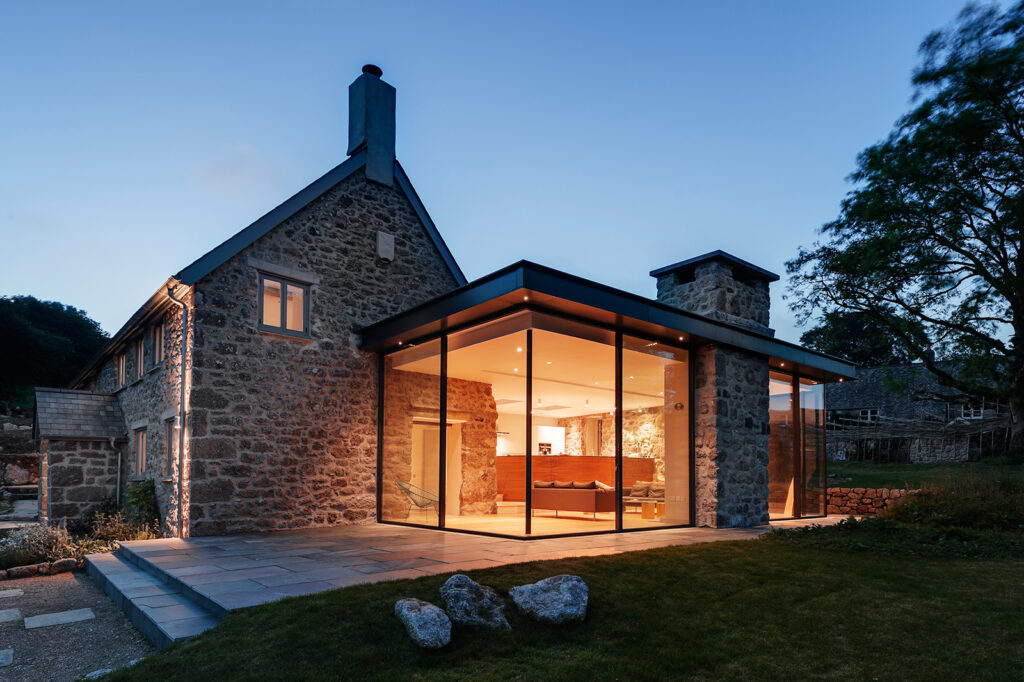
Across the UK, historical building renovation projects are embracing architectural glazing solutions such as glass facades, demonstrating how modern architecture can honour the past, instead of replacing it. Here’s how:
Glass Facades: the modern light touch on historic foundations
Walk down any high street in Britain, and you can still feel the presence of the past, told through brick and stone. Georgian terraces, Victorian warehouses, Edwardian Libraries, or museums of any kind, their facades bear the marks -planned and accumulated- of the centuries past. Yet increasingly, these historic buildings are being transformed by a new architectural language: glass facades. Once seen as a symbol of cold, uncompromising modernity, glass has become a bridge; a means of renewal that can both respect the heritage while letting the (literal) light in. It allows the style of the past and the comforts of the present – as well as ensuring that there is a future for buildings that may otherwise lay unused.
Within the closed sphere of modern architecture in the UK, this dialogue between the past, present and future is nothing new, but it is growing in appreciation and application. It is essentially reshaping how we think about preservation. The aim is no longer to replicate history, or to keep it locked away -preserved, perhaps, but essentially unused- but instead to reinterpret it, allowing the original craftsmanship to speak for itself, while framing it in the clarity of glass that lets the building continue to be used and enjoyed in the modern world.
Transparency and light in Modern UK Architecture
The yearning for natural light is an ever present one. We know that we need it to live our best lives. And as such, the introduction of glass into historic contexts goes beyond the merely aesthetic. Light can change how we perceive and inhabit a space. With natural light becoming a design material, all other substrates become a canvas: heavy masonry softens; centuries-old beams become illuminated, and rooms that were for so long held in shadows are now vital with the light of the sun.
Glass facades, in particular, offer architects a rare ability to connect inner and outer spaces. They open up heritage buildings to their surroundings like never before, allowing light and view points to pass through, without compromising the visual integrity of the original building. In purely practical terms, this transparency can also enhance sustainability. Advances in architectural glazing solutions means that energy performance of glass can now meet -or sometimes even succeed- that of other, more traditional building materials. Low-emissivity coatings, thermally broken frameworks and insulated glass units look effortless but work hard to make sure the inside remains a pleasant place to be.
Essentially, glass is more than a material used to expand a place, it becomes the language of renewal over preservation, by allowing history to be experienced once more, rather than kept untouched, unused and unloved.
Balancing innovation with preservation
Anyone working with listed or conservation area buildings knows how demanding the process can be. It is about so much more than technical skill, but requires a degree of sensitivity and imagination to keep all parties involved happy. Conservation guidelines in the UK are some of the strictest in the world, but they are there for a good reason: to protect the architectural heritage that we hold so dear, and which brings in scores of tourists every year, even if the building itself is not open to the public. These guidelines often stipulate that any additions must be reversible and distinguishable from the original fabric.
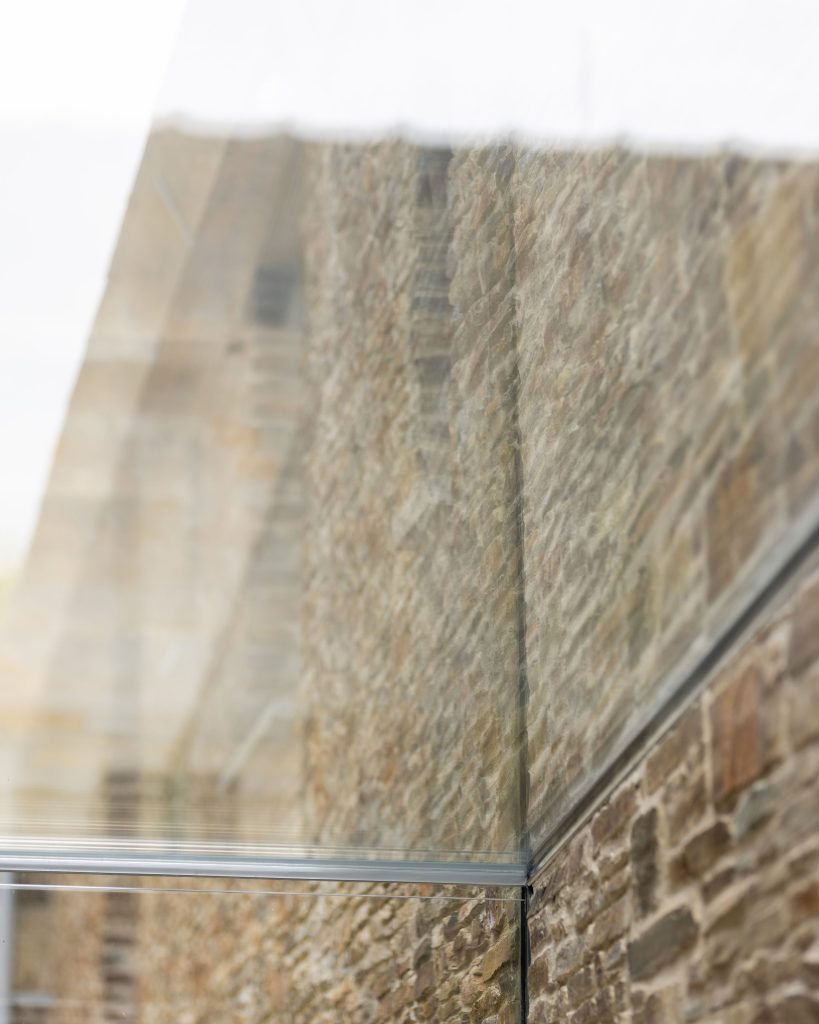
The challenge, then, is to create something within these constraints; something which is unmistakably modern, yet which pays homage to, and respects the building’s past. The most successful of such projects are able to demonstrate how modern materials (steel, glass, concrete) can complement, rather than compete with, historic textures. The dialogue between oak and glass, stone and steel, all invite new experiences and a new chapter into the story of the most ancient of locations, no matter how familiar they may have been before.
Cantifix has worked with historic premises almost for as long as they have been making structural glazing (even creating an extension to an English Heritage regional headquarters themselves!), and they understand the delicate balance that this nature of work requires. Crafting architectural glazing solutions that meets the rigours of conservation standards, while allowing creativity and innovation to flourish.


Innovating with integrity through architectural glazing solutions
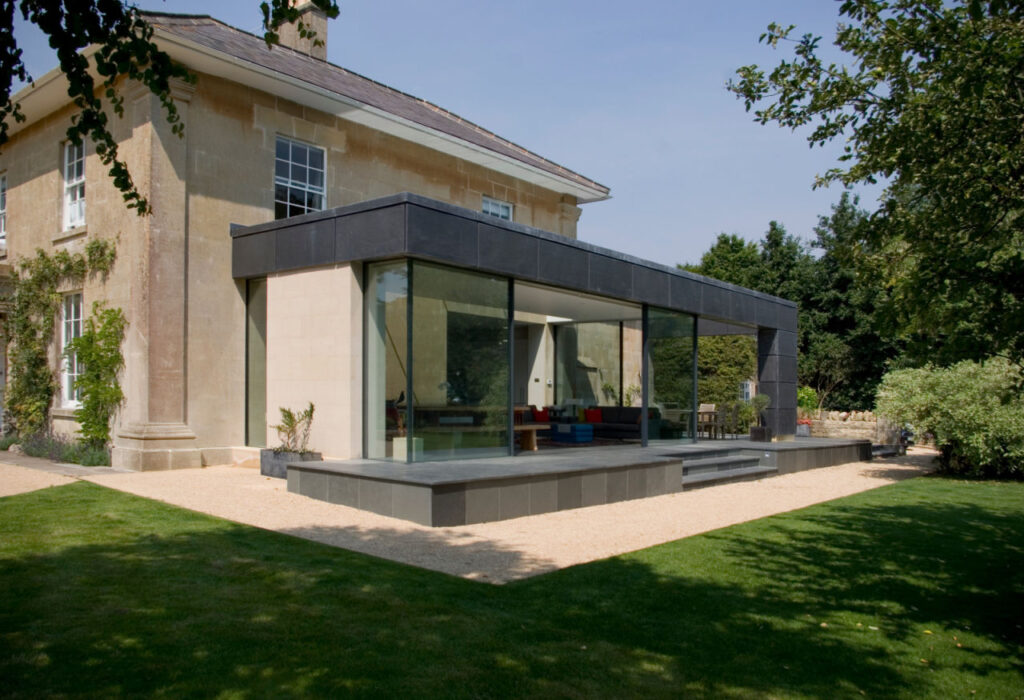
Ever since we first began in the mid 1980s, here at Cantifix, we have always tried to embody the spirit of innovation when it comes to glazing. While we may be more well-known for our hyper sleek, minimalist structural glazing projects that shout out modernity in all forms, a lot of our work is actually around helping to breathe new life into the aging stock of British historic properties. Just because a building is not a new-build, does not mean it cannot benefit from the very latest in intelligent glazing, sustainability features of aesthetic precision.
We have worked on historical building renovation projects across the UK, from rural barn conversions, to countryside estates to listed city buildings; bringing the possibilities of glass along with us.
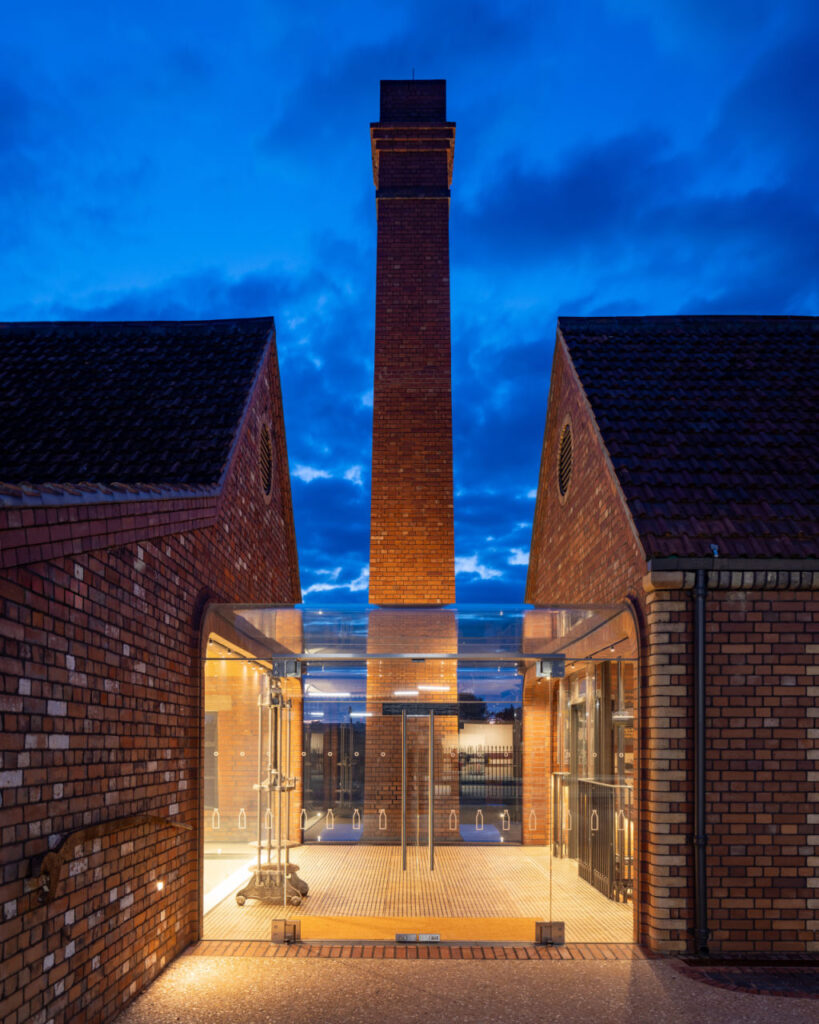
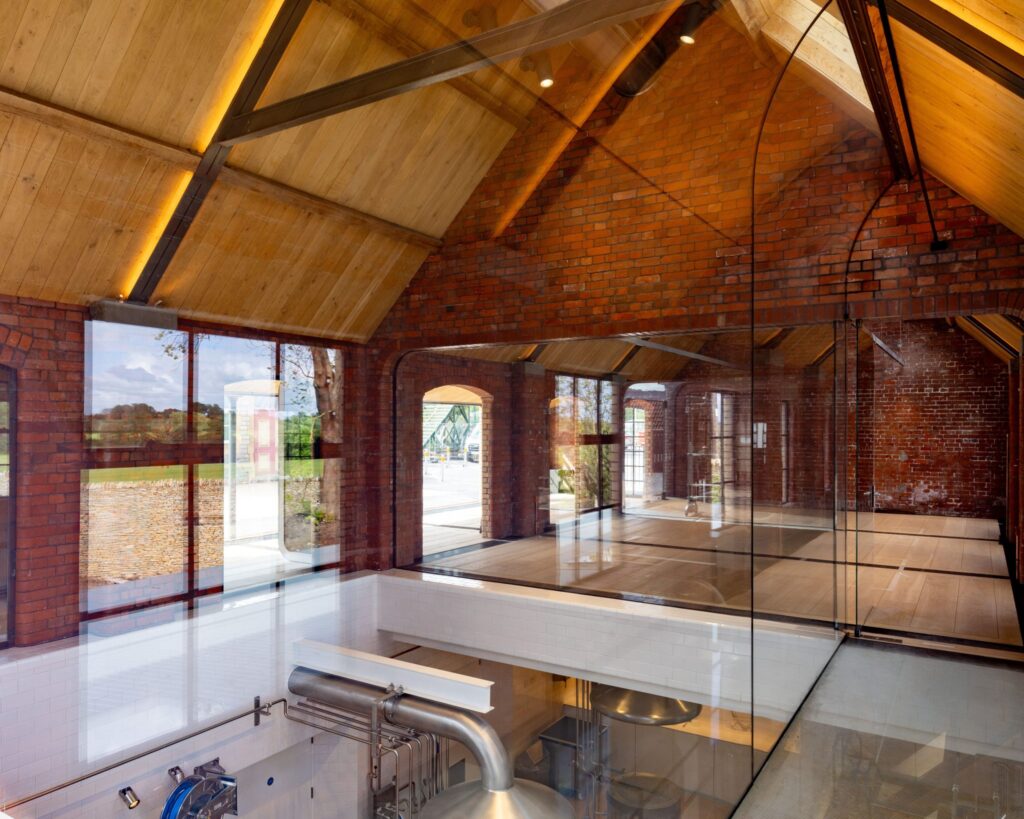
At The Creamery, once an industrial structure, bespoke glazing turned a utilitarian shell into a luminous living space. Large panes of curved structural glass create windows between a working dairy and visitors, while the curved glass link maintains the building’s rural character while opening it to the beautiful West Country landscape.
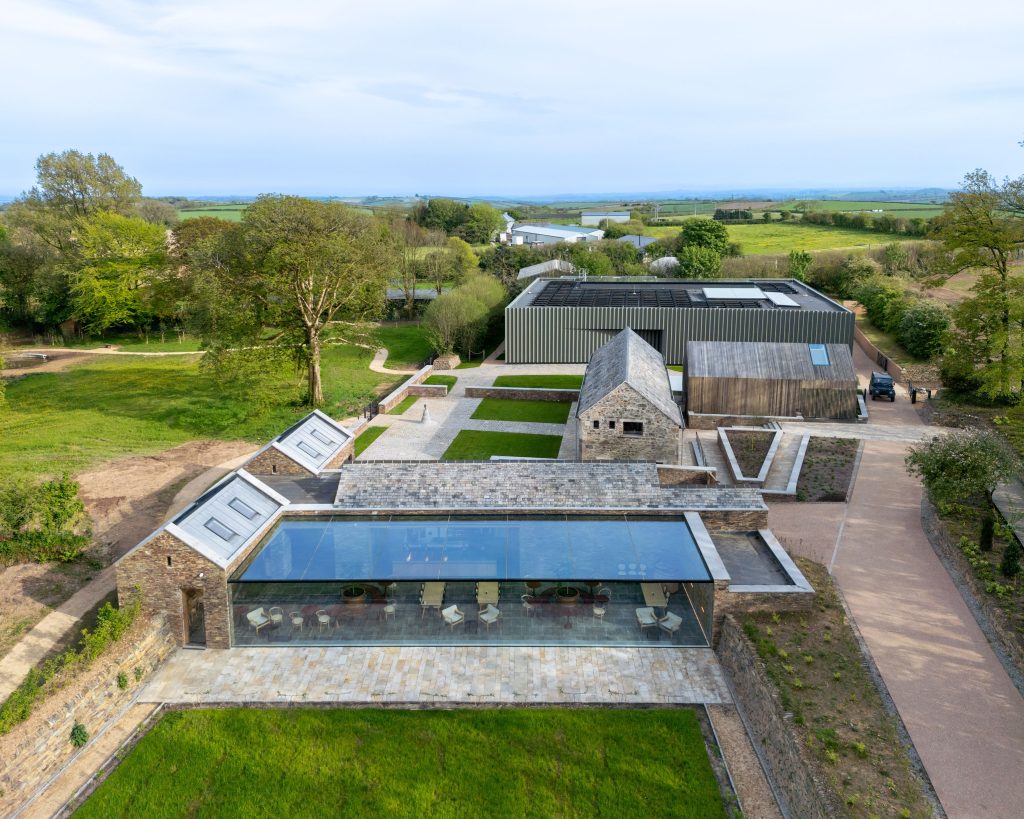
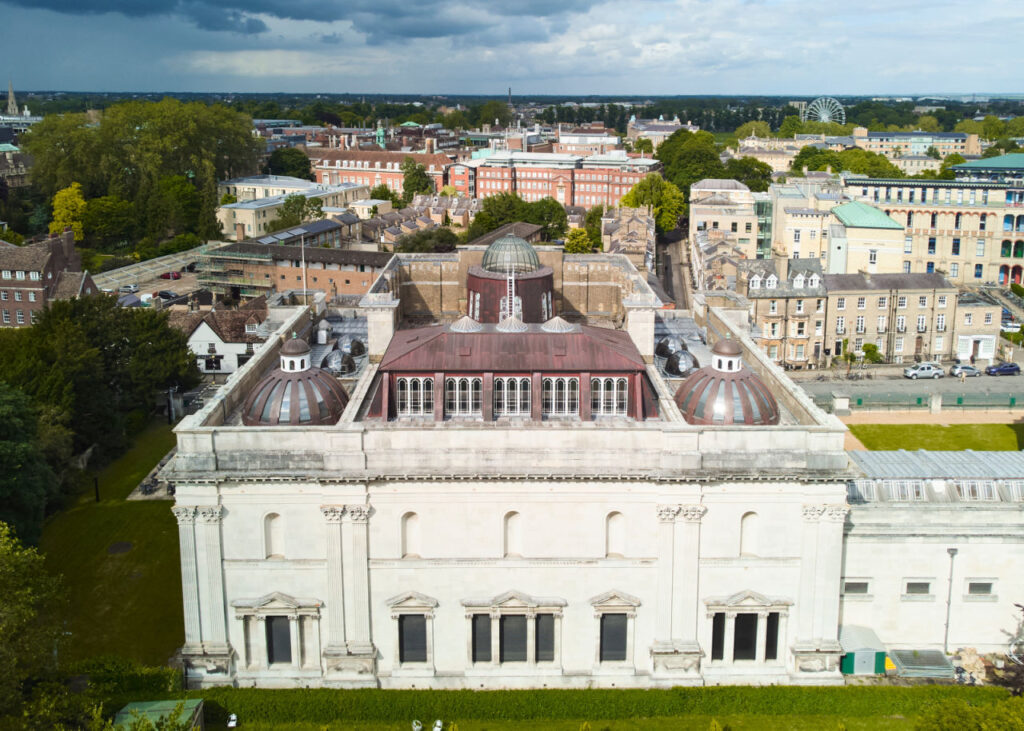
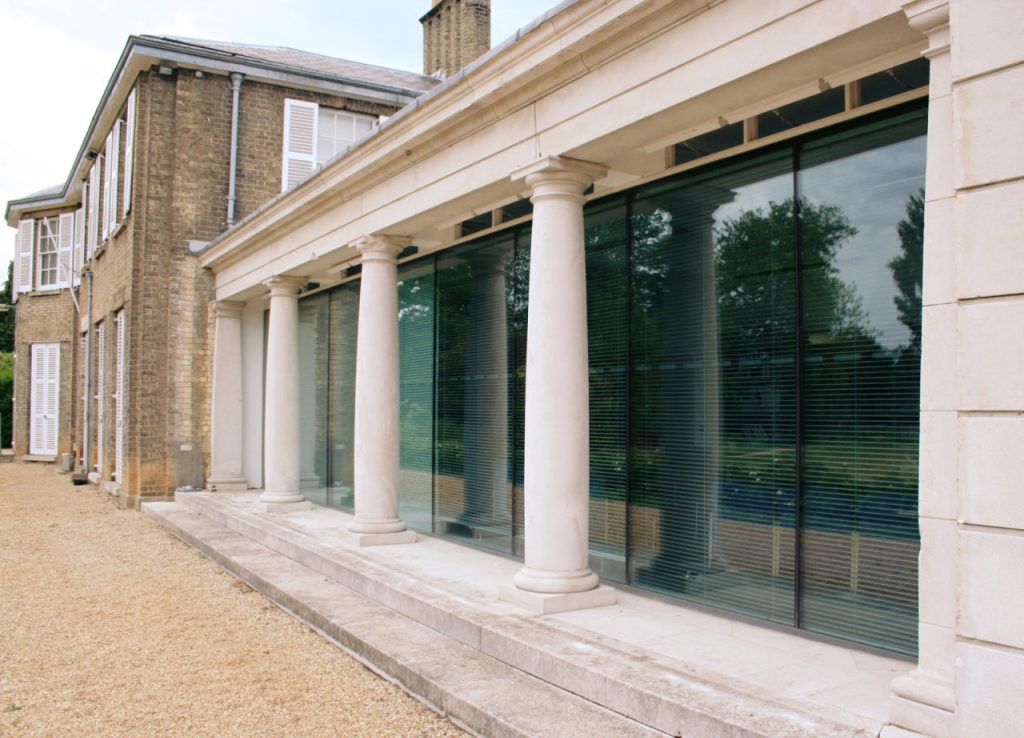
At the Emily Hobhouse Museum in Cornwall, we created a number of glazing solutions that aid in capturing the dual purpose of preservation and storytelling. The record-breaking 20m wide double-glazed glass wall creates a seamless connection between the indoor space and the beautiful gardens beyond, while allowing natural light to animate the space, evoking both memory and renewal.
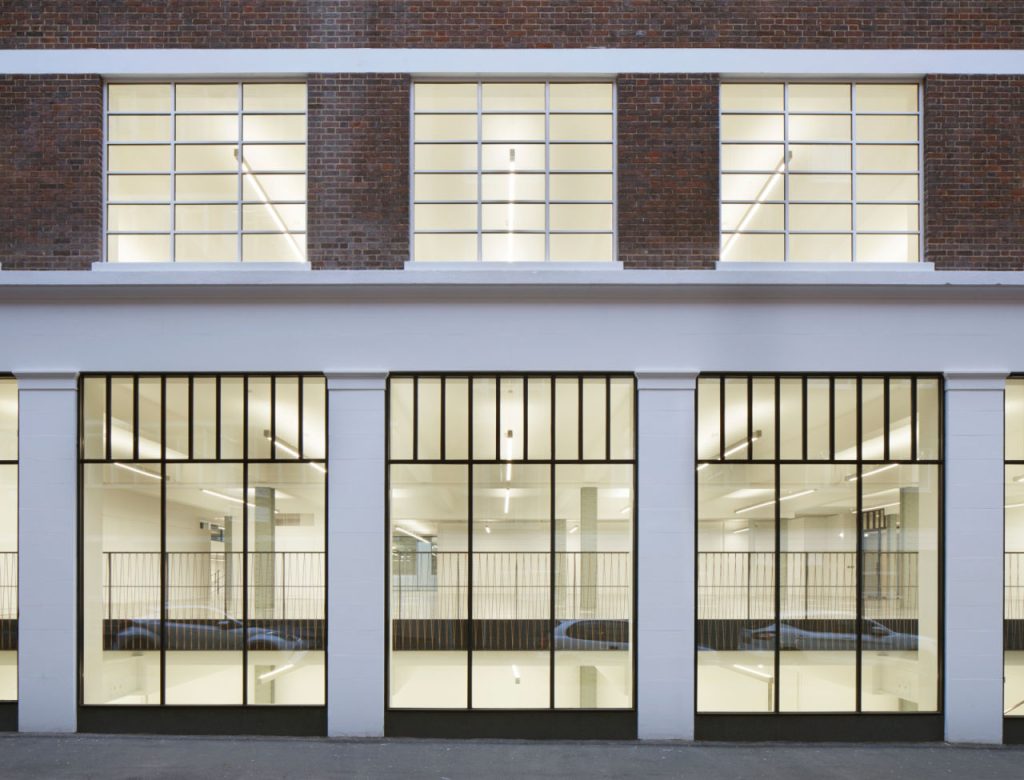
Harella House – while not centuries old, this Art Deco former garment factory had a beauty of its own. We helped to reinterpret the urban heritage by uniting the industrial elegance of the 1930s with the crisp geometry of modern design. Featuring high performance Secco Sistemi frames, the renovation was as focussed on energy efficiency as it was style: it is rated BREEAM Excellent and achieves a 47% reduction in carbon emissions compared to what came before.
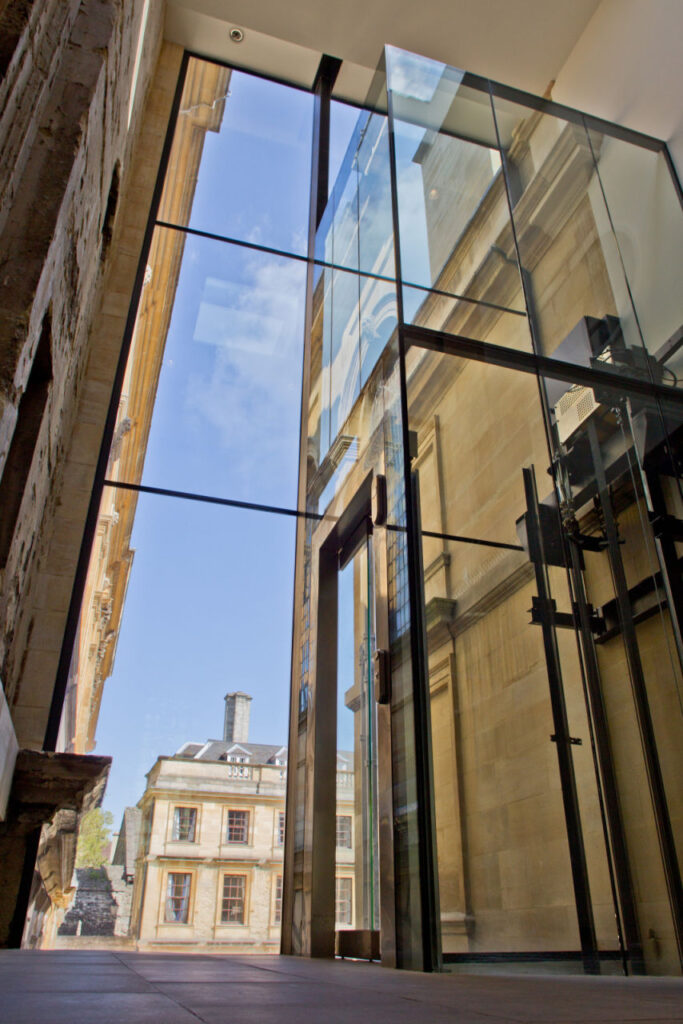
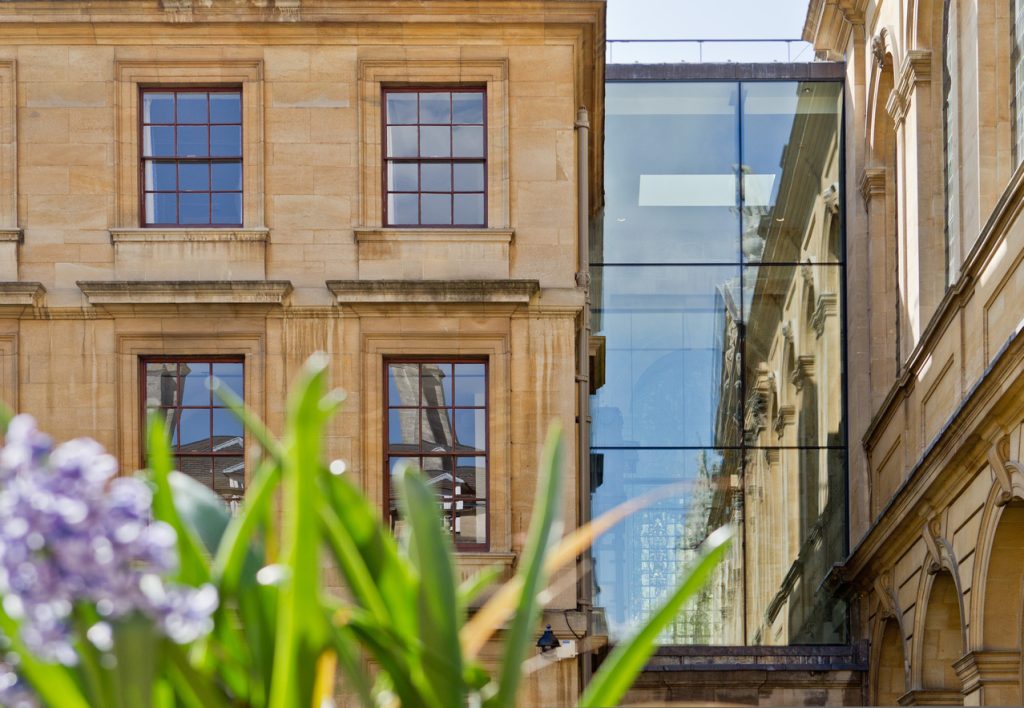
And in Goswell Road, a listed London property with links to Charles Dickens, we achieved a subtle equilibrium between conservation and innovation with a modern glass facade and atrium. Here, glass is neither ornamental nor intrusive; it is an instrument of continuity, allowing history to breathe within a contemporary context.
Across these varied projects, with their different aesthetic eras and differing needs, one thing is constant: innovation. Here at Cantifix, we treat every commission as a dialogue between architect and building, light and structure, tradition and creative invention, all to work together to create something entirely new and different.
There are also some projects where the glass actively breathes new life into the space, literally bringing it back into use, by filling in lost walls. We have created bespoke glass facades and curtain walls on ruins, allowing the imagination of visitors to think of what once was, while being able to enjoy the space once more.
Energy efficiency with glass facades
Modern glass facades can sometimes be misunderstood with regards to their energy efficiency. The English have a long memory of draughty, leaky Victorian conservatories that is hard to shake. But modern glass walls and glazing has come a long way, they are now a crucial part of meeting sustainability targets. High performance glazing can reduce heat loss, maximise solar gain in winter, and support passive cooling in summer.
When integrated intelligently and cohesively with the rest of the materials in a room, these systems also lessen dependence on artificial lighting and climate control measures -such as heating and airconditioning- making the building much more energy efficient and eco friendly.
Cantifix are on a continuous research path, looking into new glazing technologies, from triple glazed units to the new ideas around photovoltaic integrations, anything that will help the buildings of the future commit to environmental harmony. Innovation, in this context, is more about the ethics of design, and helping the planet, than it is about the aesthetics of a nicely designed building.

A future built on light
The fusion of modern and historic is, at its heart, an act of storytelling. These are buildings with chapters, and these renovations are simply the latest in the story of their lives. In some instances, where the building would otherwise be abandoned, it could be the thing that helps it continue. Every historical building renovation that embraces glass invites us to see heritage through new eyes and experience the weight of time ourselves, from the newly illuminated rooms of the present.
Cantifix’s work stands as proof that innovation need not erase the past, but can instead be used to celebrate it, allowing history to be polished and reused. For architects, developers and custodians of the UK’s architectural legacy, the message is clear: when handled with integrity, glass facades are not intrusions but means of continuation. They are the future of conservation, built on transparency, precision and natural light.
To explore how Cantifix can bring clarity and innovation to your next heritage renovation project, give us a call and we can discuss the full range of architectural glazing solutions we can offer.