Architectural Glass Windows & The Art of The Modern Building
Explore how architectural glass windows and advanced glazing systems are used to create breathtaking spaces.
There are certain materials that quietly shape our cities, yet if asked we know immediately that they are representative of a modern urban landscape. These materials slip into the background, yet forever alter the way we experience light, space and form. Architectural glass, in its multiple guides, has become one such element. Somehow both invisible and transformative.
Walk through any major city and you will notice how glass has come to define the architecture of our time. No matter the creative spin or architect’s vision, it is all the same. It has outgrown merely being a means of enclosing inner space, but a medium within itself, a way of capturing daylight and softening boundaries and inviting the outer world inside, just a little.
In this article we are going to shine a light on this taken for granted material, as not all glass is equal. Come with us as we delve into the world of glass and architecture.
What is architectural glass? Types, benefits & uses
At its core, architectural glass is glass made particularly with buildings in mind, for both the aesthetics and construction purposes: it is designed not only to frame views, but to protect, let in air, insulate, and shape the character of a space, all at the same time. What began centuries ago as a simple transparent surface has become a highly engineered material that has the ability to balance beauty with performance.
But it is also an umbrella term, for there are a vast number of types of architectural glass, each with their own purposes and strengths. Toughened glass offers unrivaled strength and security, sometimes fused with bombproof or fireproof glass for high risk buildings. Safety glass formulated to shatter into harmless fragments rather than sharp shards. Laminated glass holds together even when cracked, making it an ideal material for balustrades, facades, glass floors and expansive glass rooflights, or pretty much any area where safety and security is of the utmost importance.
Insulated glass units – or double and triple glazing to you and me- are designed to improve thermal comfort within a room, and are most commonly used on external walls in the form of windows and sliding glass doors, although there is no limit to their size or design. All types of architectural glass windows can be made double or triple glazed, if the framework and engineering is designed to hold it.
There is also the reverse taken care of: for the days when sunlight is harsh and unavoidable, low-e coatings help to keep the rooms beneath cool, and tinted or reflective options manage the heat and light further, as well as giving extra options for visually distinctive looks. There’s even switchable glass that converts to an opaque pane at the touch of a button.
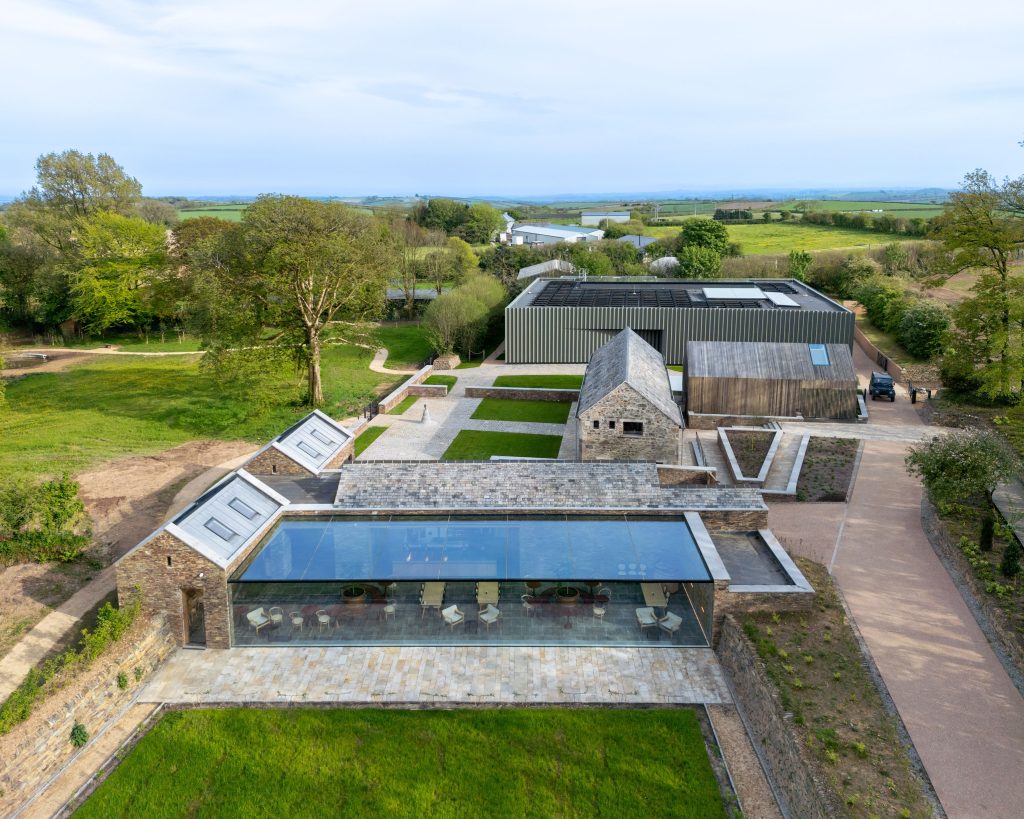
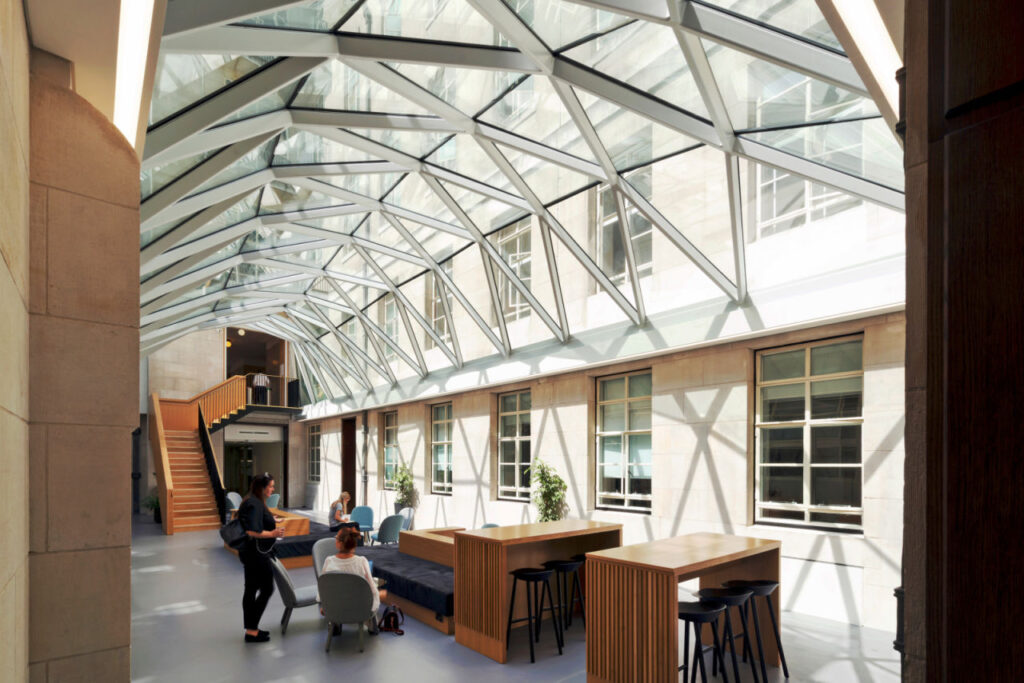
But the concept of architectural glass is not merely confined to the glass itself and the technology it contains, but also the uses that it has. From elegant curtain walls, to light filled atriums and rooflights – both motorised and fixed-, to interior glazing such as balustrades and any number of doors and windows: if the architects can dream of it, it can probably be made of glass.
The pinnacle of this has to be a fully glazed structural element, such as a structural glass room or extension. Whatever the use is, glass has become an integral part of the architect’s palette, offering both practical and poetic purposes. It is a means of bringing light deep into buildings, softening the boundaries between inside and outside, and giving form to the modern world’s clean, luminous ideals.
Architectural glass windows: so much more than a view
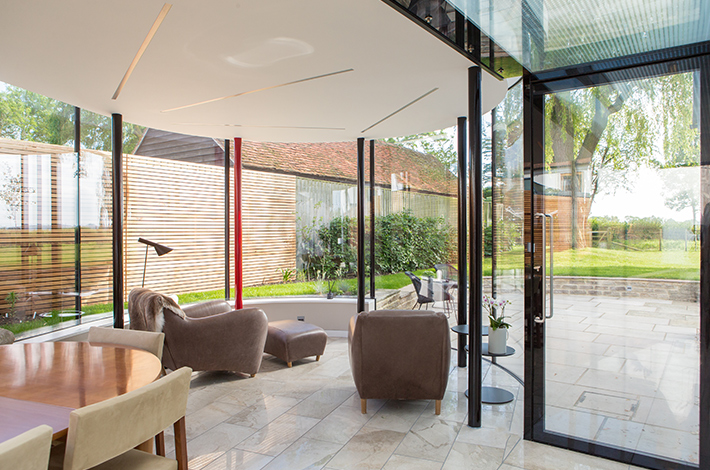
With all this talk of boundary pushing, large scope architectural glass, it is easy to forget that it also applies to residential glass and architecture. There is much to be said for outstandingly well designed and eye-catching architectural glass windows, whether they appear at the apex of a city skyscraper, or the side of a Victorian terraced house.
Today’s architectural glass windows are crafted with precision and care. They are expected to do far more than merely admit a view outside. They also insulate, they quieten and they filter. Laminated and toughened glass improves safety, while advanced coatings ensure energy efficiency and can even block out harmful UV rays – protecting both the people and the furniture inside.
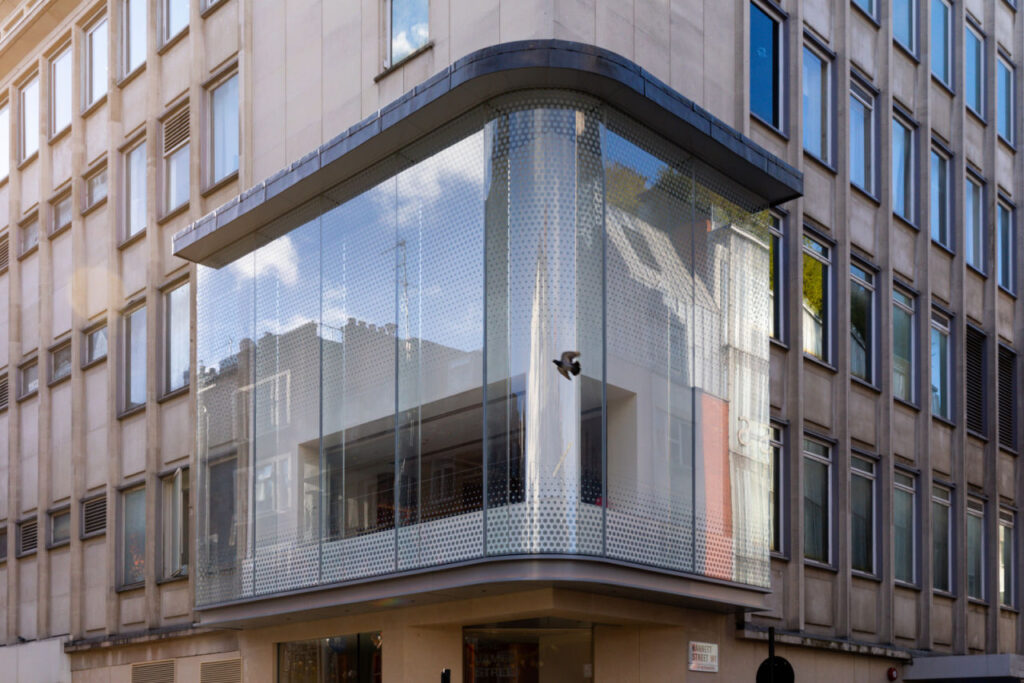
The designs are also seemingly endless, from simple opening glass windows, to cantilevered oriel windows that appear to float above the ground, to seamless glass corners with no visible framework at all.
Yet the effect goes beyond the practical, as the difference is almost alchemical: a previously darkened room becomes alive with shifting natural light, a heavy facade dissolves into something weightless and inviting. But there are also options to go a step further. With PureGlaze ™ Cantifix have been able to insert an architectural glass window into a glass wall, making it possible to do away with solid brick walls entirely. Now that is not something that you see every day!
Glass and architecture: a longstanding dialogue
Here we must remind you that the interplay between glass and architecture is hardly new. Medieval cathedrals knew the power of large glass windows in inspiring awe and harnessed it in the form of stained glass, in order to lift the spirit; Georgian townhouses prized the elegant sweep and symmetry of sash windows; and today, contemporary buildings rely on structural glazing systems to allow entire facades of glass to stand without visible support.
The key difference between then and now is the technology and the ability to innovate. Modern architectural glazing enables designers to create seamless surfaces, bold glass expanses -sure- but also delicate ethereal structures that appear to float, with light itself playing as much of a key part of the visual impact of the building, as the glass and other materials.
Sustainability in architectural glazing
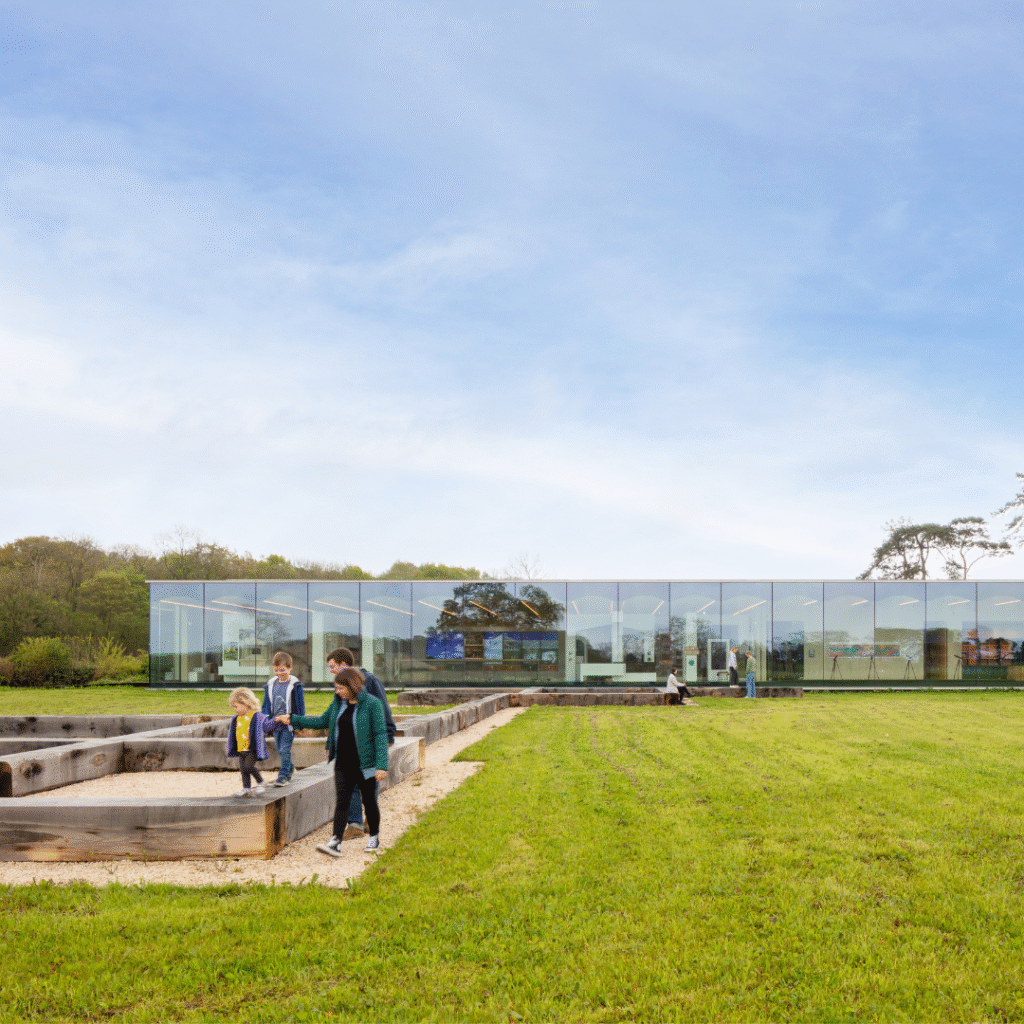
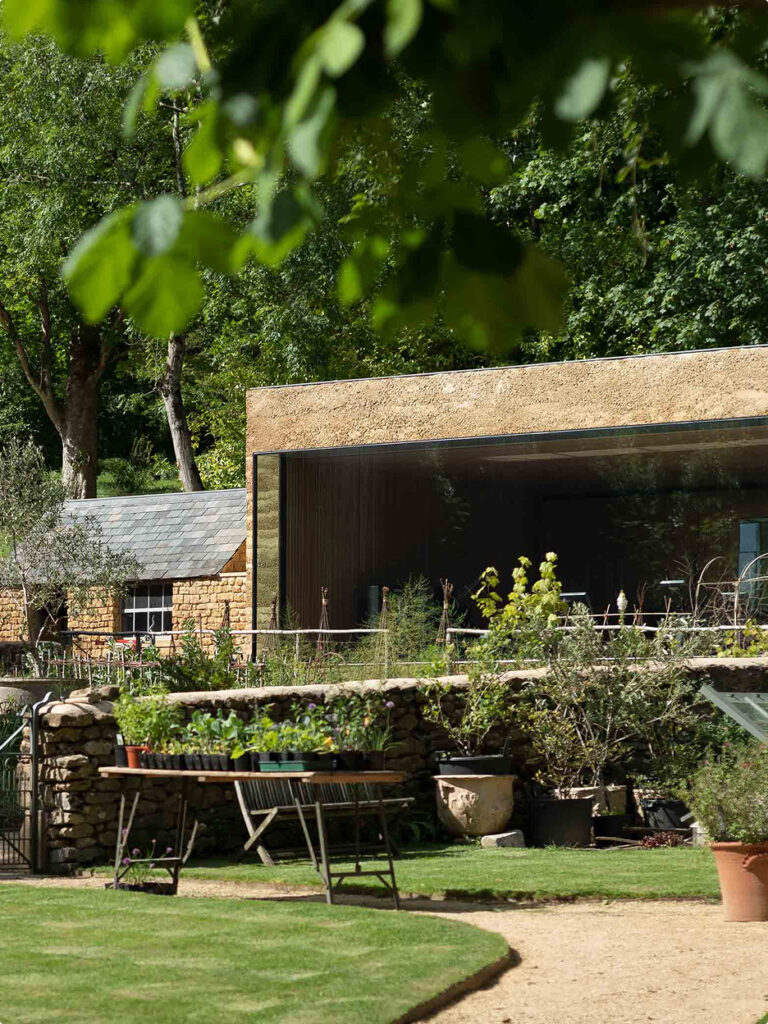
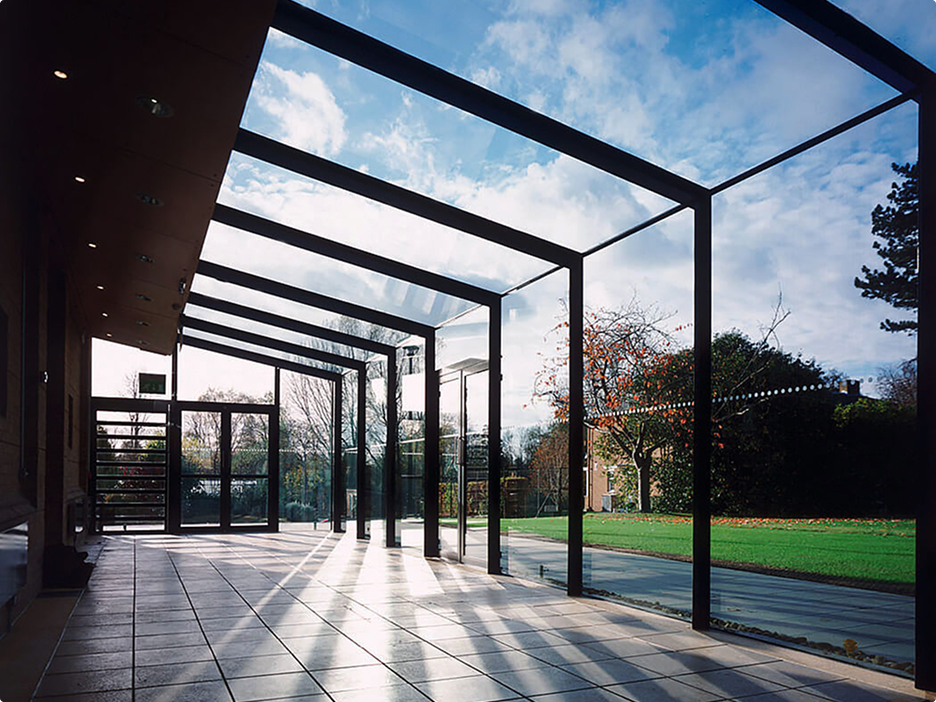
But of course, we don’t just create buildings based on what they look like or how many gadgets they contain. In an age where sustainability is more than a passing thought – it is now an active expectation- architectural glass has a critical role to play. High performance glazing, when designed and installed correctly, can vastly reduce a building’s energy consumption in the form of less heating in winter and less need for electric lighting in the daytime. In turn this will lower carbon emissions and contribute to UK building regulation compliance.
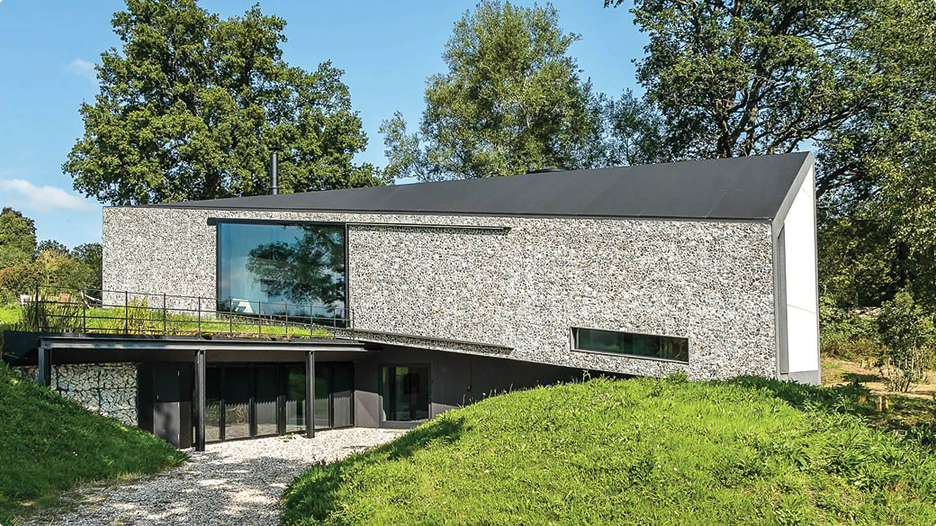
Light, space and human wellbeing
There is also the quieter, more human side to glass and architecture, especially when used in homes. Natural light has long been linked to improved mood, better sleep and greater productivity. In homes, it creates interiors that feel larger, calmer and more connected to the world beyond the window. In workplaces and public buildings, it can lift morale, help with eyestrain and even enhance performance.
And this is a theme we are seeing more of these days, where architectural glass is used to shape experiences and enhance the lives of those using it, as well as actively influencing how people feel and function within the space it inhabits.
Innovation and technology in modern architectural glass
Given the advancements in glass technology already mentioned, it would be easy to assume there’s little room left for further development. Yet the story of glass is one of continual reinvention, and one that Cantifix is proud to be a leader in.
Alongside traditional solutions, the glazing world is abuzz with the promise of smart glass, and photovoltaic glazing, which should be able to generate energy from the sunlight in the coming years.
Then there are the less fancy advances, with increasingly refined coatings and layers, that work to balance light transmission and thermal control, such as our Solstice Glass, which was developed on the back of years of study into the impact of natural light on human beings by Oxford University.
These innovations are continuously extending the possibilities of architectural glazing, ensuring that glass offers up more than an alternative building material, but a medium through which architecture itself can evolve and our buildings suit our lives more and more.
Why choose Cantifix for your architectural glazing?
But we must remember that glass is still a delicate material and should not be underestimated or misused. The success of any form of architectural glass lies not in just the material itself, but in its handling. Precision installation and an eye for detail are both absolutely essential if the glass is to be safe, secure and to perform as beautifully as intended. This is why choosing a specialist structural glazing company, such as Cantifix, matters. Expertise is about more than creating something visually pleasing, it can also ensure that the finished result is sound, efficient and enduring.
Glass has always carried with it a certain quiet magic: transparent yet solid, delicate yet enduring. Today, with advances in technology and design, architectural glass is able to offer more than ever before, with buildings that are light-filled, sustainable and deeply human-centric in their design.
Want to discuss your latest architectural glazing project? Get in touch with one of our experts today.