Circadian Rhythm and Natural Light | The Role of Glass in Architecture
Explore how natural light influences circadian rhythm and why glass plays a crucial role in daylighting design, wellbeing, and modern architecture.

In contemporary architecture, natural light is often used to define space, enhance materiality, and strengthen the connection between inside and out.
Yet its role extends well beyond visual impact. Light is also a key driver of human wellbeing, influencing the body’s circadian rhythm and, in turn, how we sleep, focus, and function.
This places daylight at the core of a more human centred approach to design.
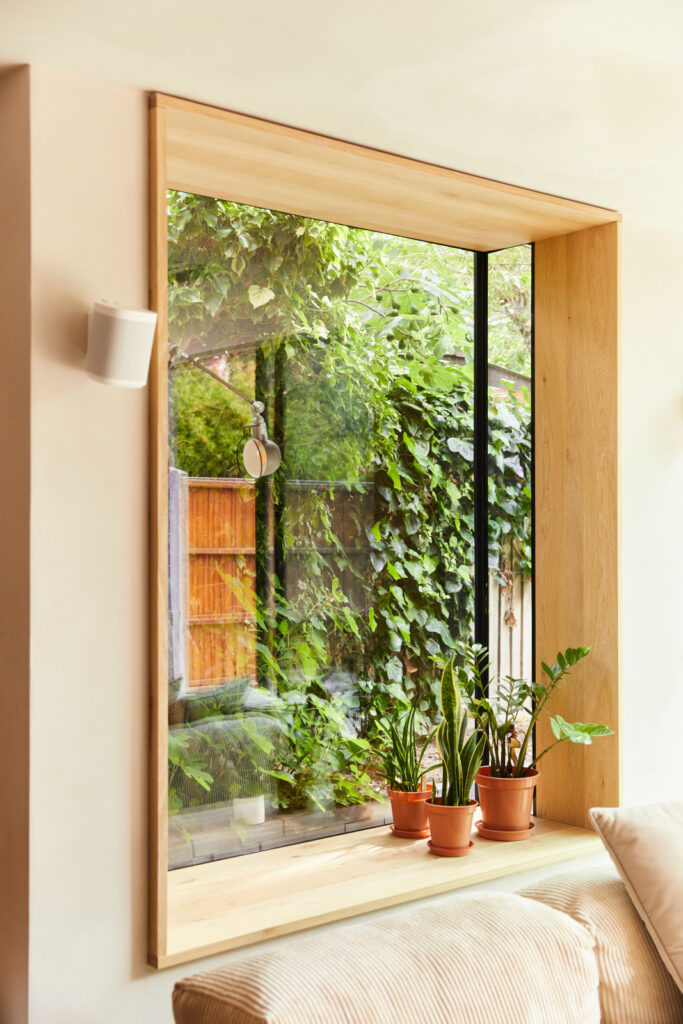
Light as a biological signal
Natural light is more than visual. It is biological.
Our bodies operate on a 24 hour internal clock known as the circadian rhythm. This system regulates everything from sleep cycles and hormone production, to energy levels and mood. Crucially, it is governed by light and darkness.
Exposure to natural daylight, particularly in the morning, helps synchronise this internal clock, supporting better sleep quality, improved concentration, and overall wellbeing.
Without sufficient daylight exposure, that rhythm can begin to drift.
In modern buildings, where we spend the majority of our time indoors, access to natural light is often limited. Artificial lighting, even when carefully designed, cannot fully replicate the dynamic intensity and spectral qualities of daylight that are essential for circadian health.
This is where architectural glazing plays a critical role.
The overlooked power of daylight even on grey days
It is easy to associate the benefits of sunlight with bright, blue sky conditions.
But natural daylight is far more consistent than many assume.
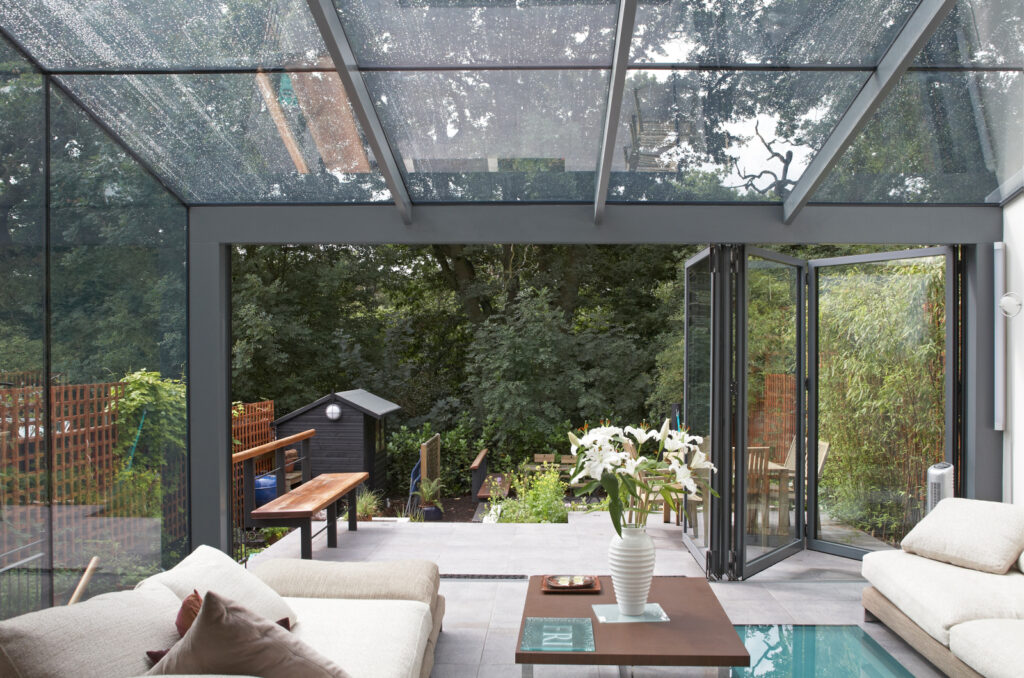
Even on overcast or rainy days, daylight continues to penetrate cloud cover and enter buildings. This diffused natural light still provides important visual and biological cues that help regulate mood, alertness and sleep cycles.
For designers and architects, this reinforces an important principle. Effective daylighting design is not about capturing occasional direct sunlight. It is about maximising consistent access to natural light throughout the day, regardless of weather conditions.
This is particularly relevant in urban environments, where building orientation, density, and glazing design all influence how daylight performs within a space.
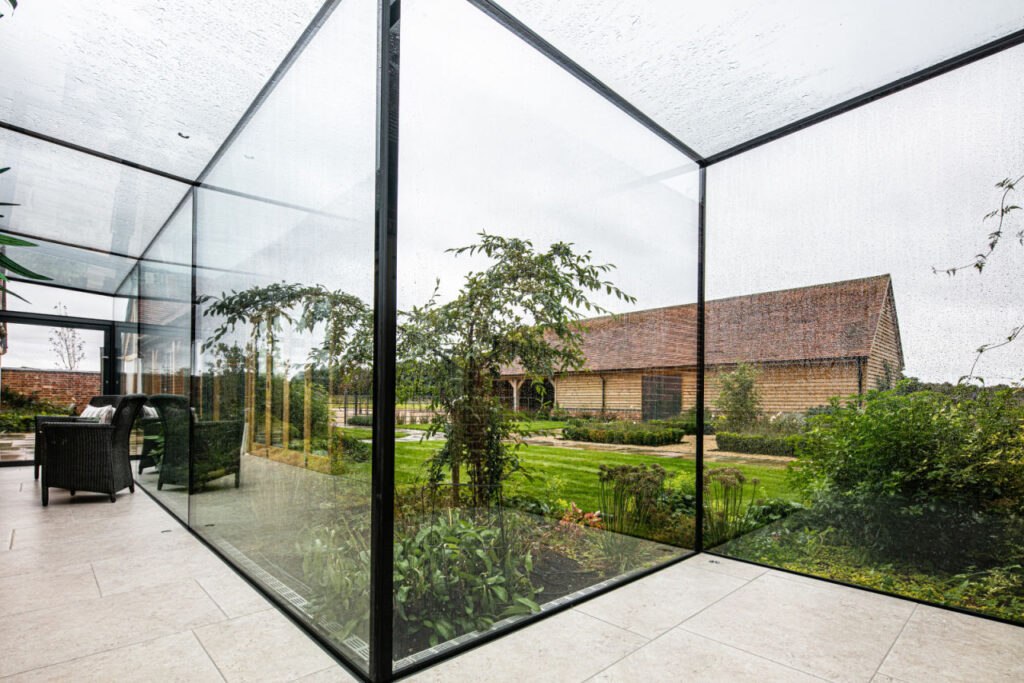
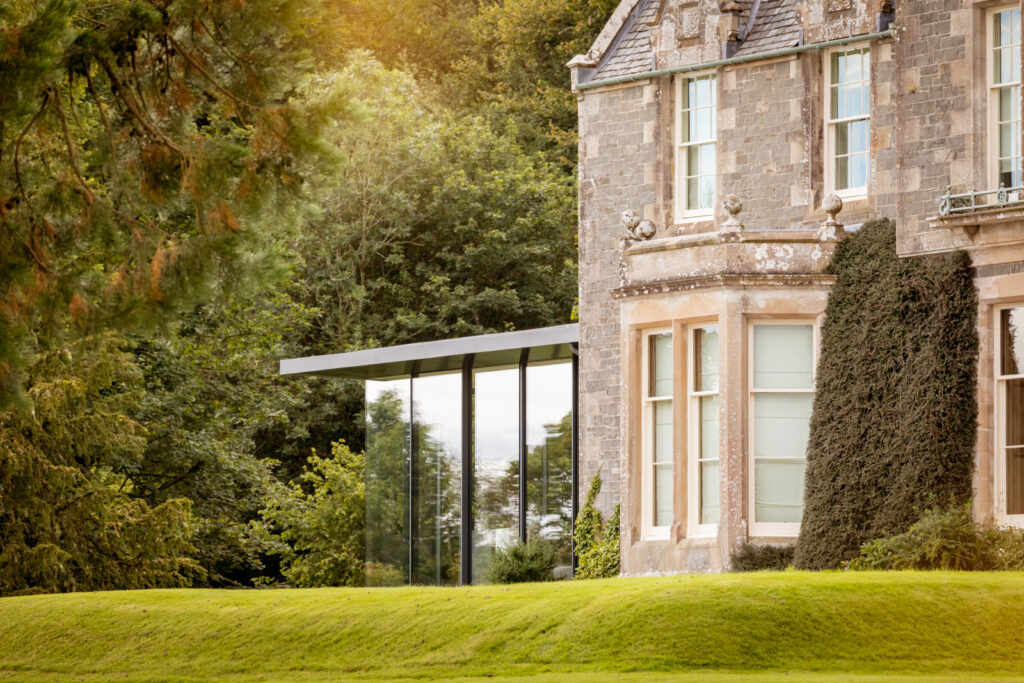
Designing with light in mind
If light is the driver, then glass is the enabler.
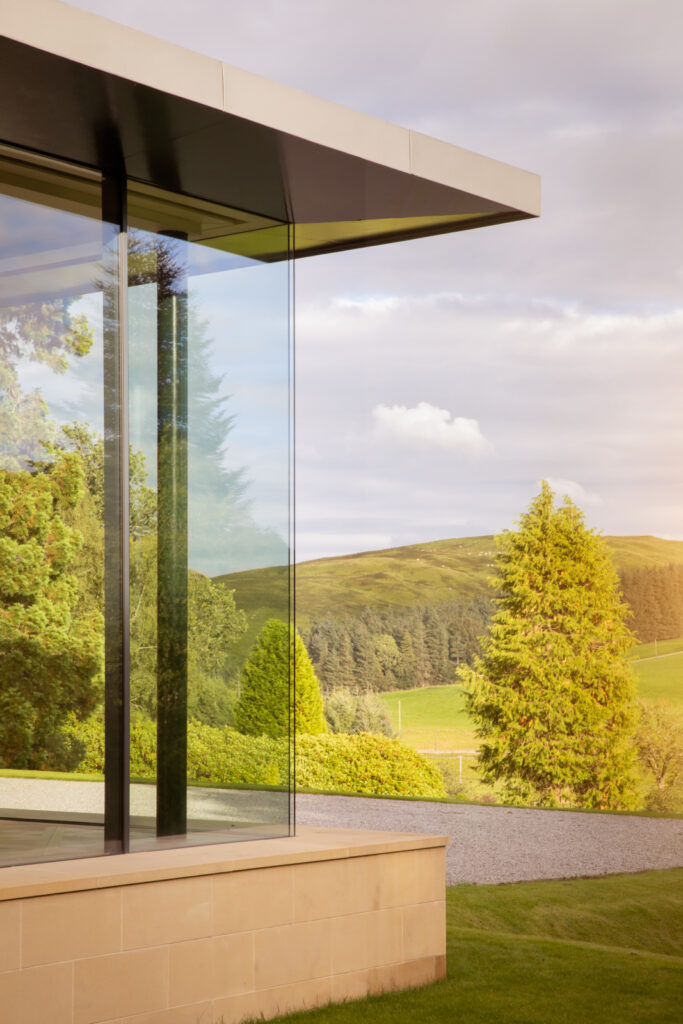
Architectural glazing has the unique ability to bring daylight deep into a building, reaching areas that would otherwise remain dim or disconnected. Frameless and minimally framed systems, in particular, allow for uninterrupted transmission, reducing barriers between inside and out.
The result is not just brighter spaces, but better performing ones.
Studies consistently show that access to natural light improves productivity, enhances mood, and supports physical health.
But beyond performance, there is also a more subtle transformation at play.
Light softens materials.
It reveals texture.
It creates atmosphere.
It turns a space from something static into something that evolves throughout the day.
Why the quality of glass matters
Not all architectural glass performs in the same way.
The specification of glazing systems directly affects how much natural light enters a building and how that light behaves once inside. Factors such as visible light transmittance, glass clarity, and coatings all influence overall daylight performance.
Standard float glass, for example, can introduce a slight tint that alters the quality of light. In contrast, low iron glass offers greater clarity and allows a higher proportion of natural daylight to pass through.
For projects focused on wellbeing and daylight optimisation, this distinction is important.
High performance glazing solutions can be specified to balance multiple requirements, including:
- Maximising natural light transmission
- Controlling solar gain to prevent overheating
- Supporting thermal efficiency and energy performance
This ensures that increased daylight does not come at the expense of comfort or sustainability.
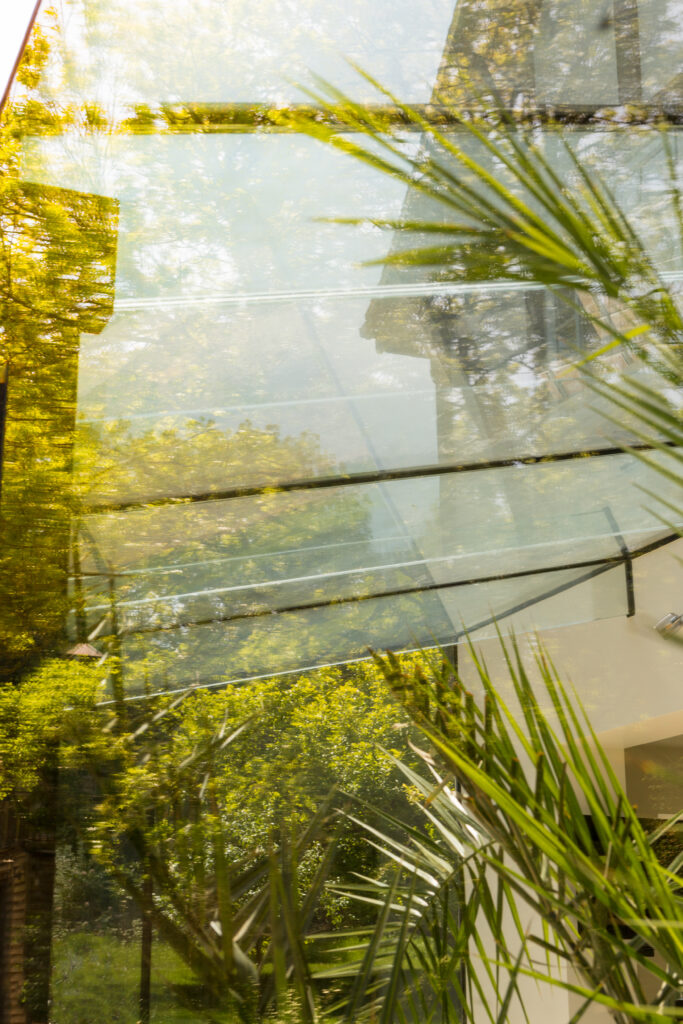

A new standard for healthy building design
As the conversation around sustainable architecture and occupant wellbeing continues to evolve, natural light is becoming a central design consideration rather than a secondary feature.
Increasingly, buildings are being evaluated not only on their energy performance, but on how effectively they support the people who use them. Access to natural daylight, and its impact on circadian rhythm, is now recognised as a key part of this broader definition of performance.
Frameworks and certifications focused on healthy buildings continue to reinforce this shift, placing greater emphasis on daylight availability, light quality and occupant comfort. This reflects a growing understanding that design decisions made at an early stage can have a lasting impact on how a space is experienced over time.
In this context, glass moves beyond a purely aesthetic or functional role. It becomes a strategic element within the building envelope, one that directly influences how light is introduced, distributed, and experienced throughout a space.
A quiet but essential role
The impact of natural light is often subtle, but deeply felt.
It is not always something that occupants consciously identify, yet it plays a continuous role in shaping daily experience. From improved sleep patterns to enhanced concentration and a greater sense of comfort, the effects of consistent daylight exposure build over time. At a physiological level, this is closely linked to circadian rhythm, the internal system that responds to light and helps regulate how we rest, recover and perform.
Well designed spaces tend to feel balanced and intuitive, with natural light at the centre of that experience. It helps anchor interiors to the outside world, maintaining a sense of rhythm even in dense urban environments or during extended periods indoors.
Even on cloudy days, when direct sunlight is limited, natural daylight continues to influence how a space performs. Provided the architecture is designed to make the most of it, that connection remains constant.
Glass, in this sense, performs a quiet but essential role. Not as a dominant feature, but as the means through which light enters, moves and ultimately defines the space.
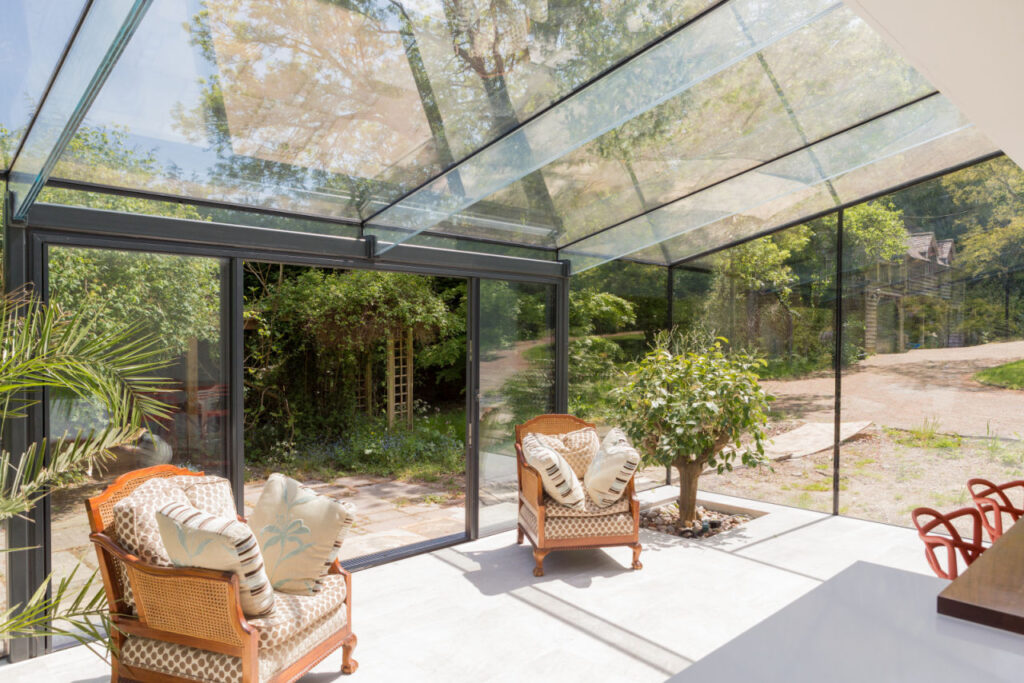
For projects where natural light and daylight performance are a priority, early consideration of glazing design can make a meaningful difference. By carefully integrating glass from the outset, it becomes possible to maximise daylight penetration, maintain visual clarity, and support occupant wellbeing without compromising on thermal or environmental performance.
In doing so, glazing becomes more than a finishing element. It becomes an integral part of how a building functions, feels, and supports the natural rhythms of the people within it.