6 Ways Modern Glass Supports Sustainable Architecture
Discover how modern architectural glazing improves energy efficiency, reduces carbon emissions, maximises daylight and supports sustainable building design.
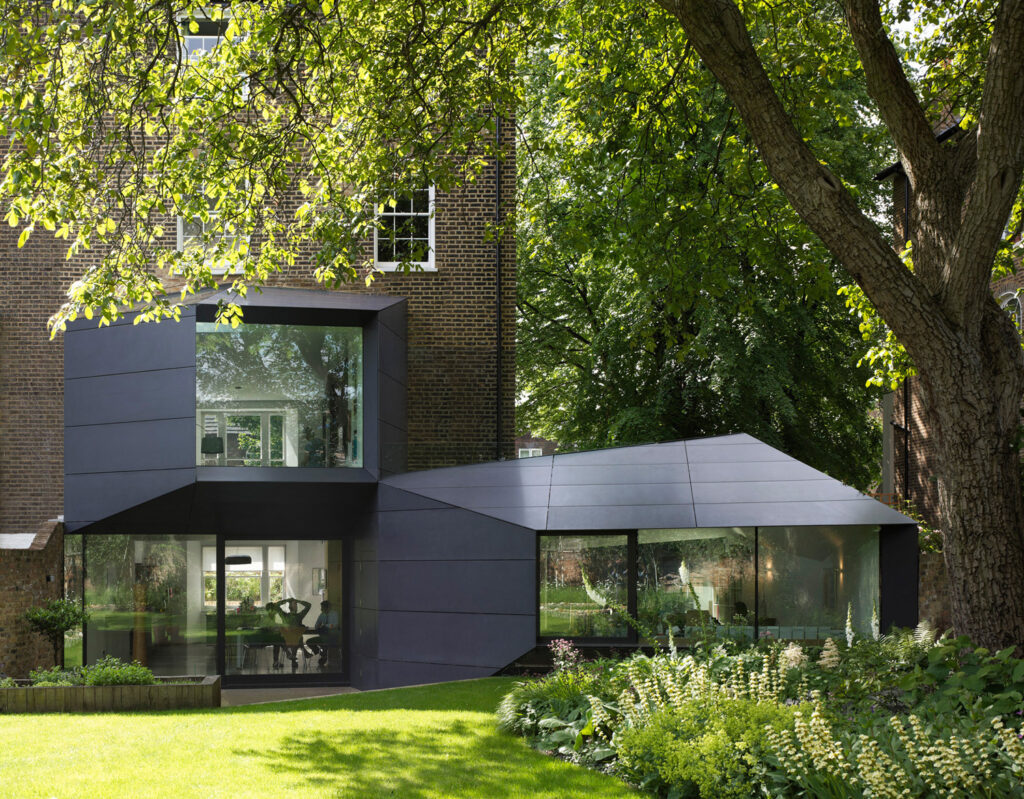
Sustainability has become one of the defining priorities in modern architecture. As building regulations evolve and environmental performance becomes increasingly important, architects, designers and homeowners are looking for smarter ways to create buildings that consume less energy without compromising on design.
While we’ve previously explored whether glass itself is a sustainable building material, the more important question is how modern glazing contributes to a building’s overall sustainability.
Today’s high-performance glazing does far more than provide natural light and uninterrupted views. Modern glass systems improve thermal efficiency, maximise daylight, reduce energy consumption and help create healthier, more comfortable living environments. When specified correctly, glazing becomes an integral part of a building’s environmental performance rather than simply an architectural feature.
Here are six ways modern glazing supports more sustainable architecture.
1. It Maximises Natural Daylight
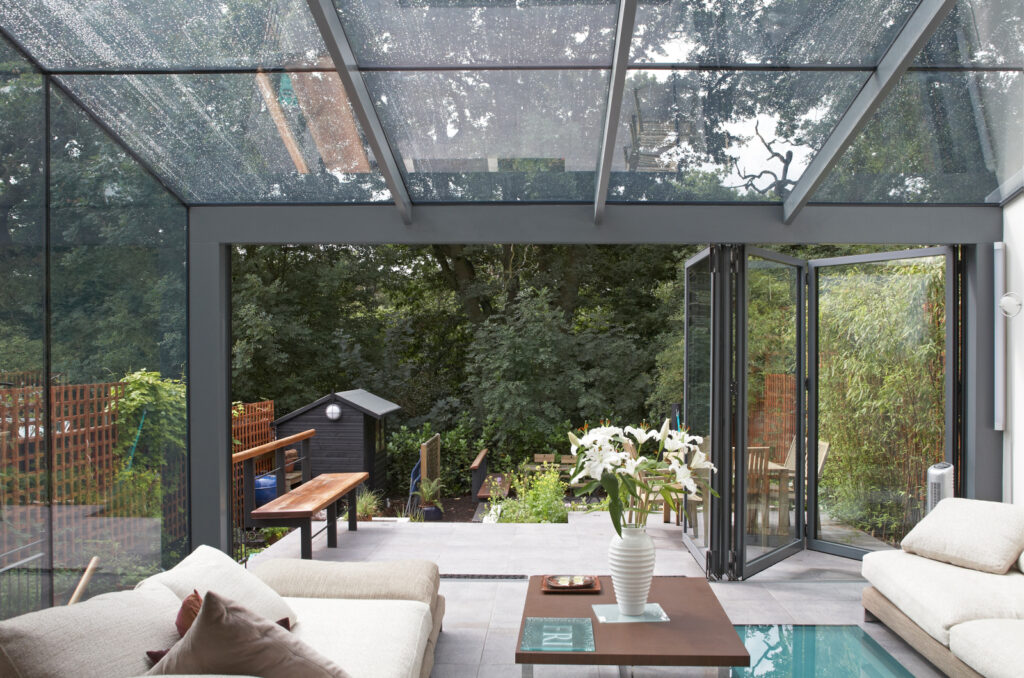
Few building materials harness natural daylight as effectively as glass.
Natural daylight reduces the need for artificial lighting during the day, lowering electricity consumption while creating brighter, more enjoyable spaces. Good building design should always prioritise the wellbeing of the people who use it.
In the UK, where daylight can be limited during much of the year, maximising natural light helps create brighter, more comfortable homes and workplaces.
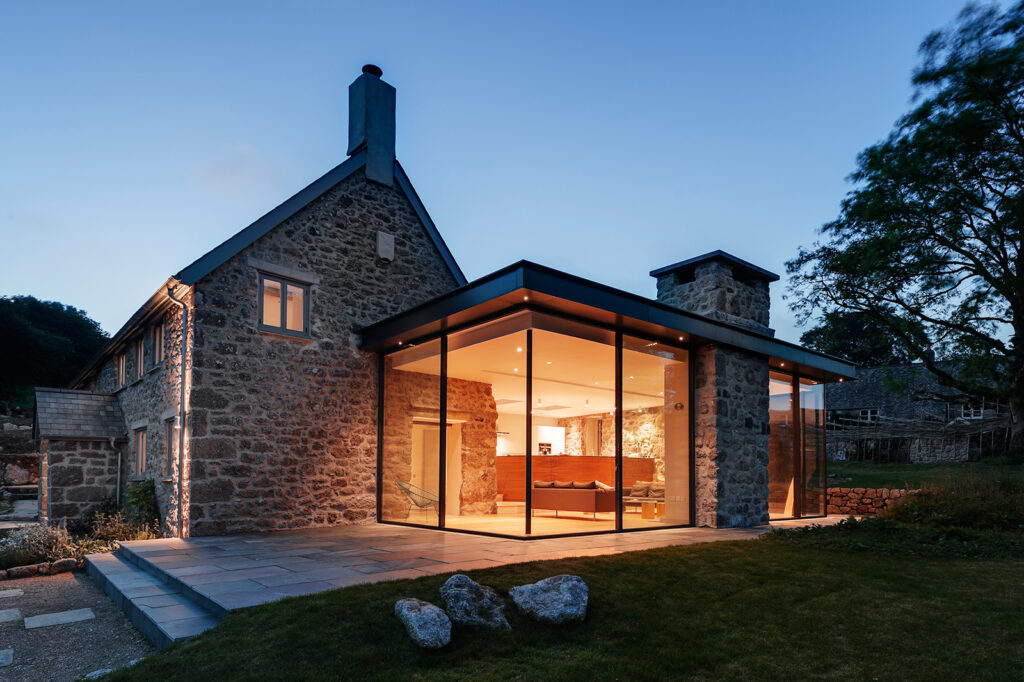
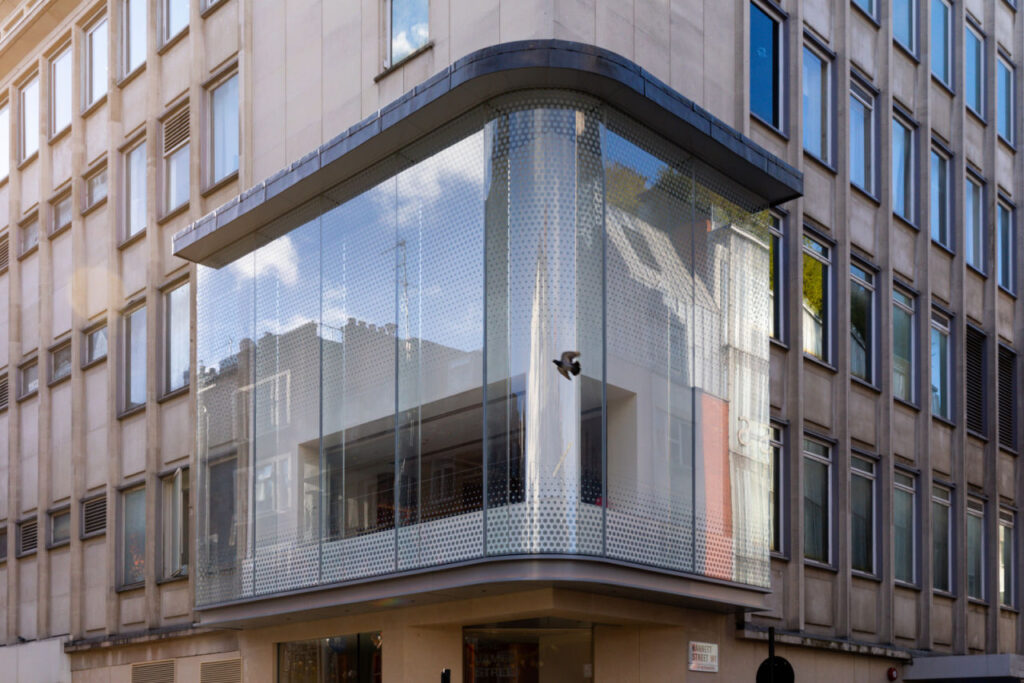
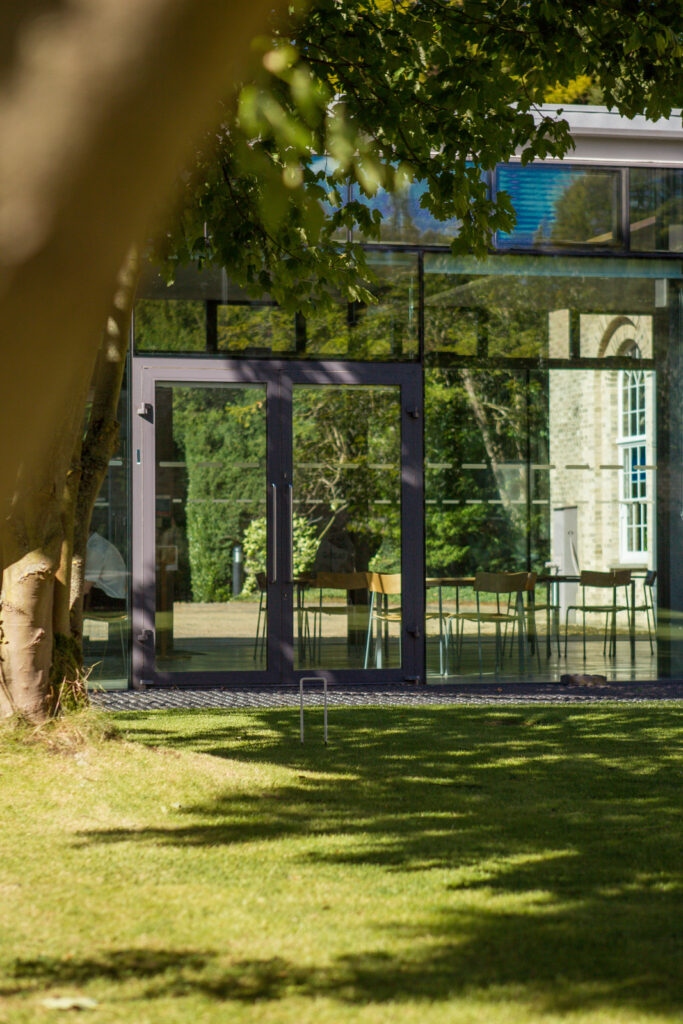
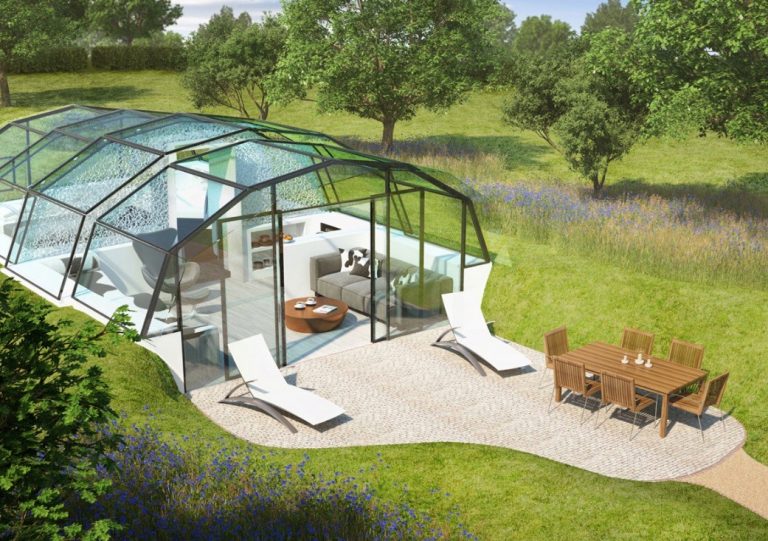
Whether it’s a frameless extension, rooflight or structural glazed façade, well-designed glazing helps make daylight one of a building’s most valuable natural resources.
The built environment accounts for around 37% of global energy-related CO₂ emissions, making building design one of the biggest opportunities to reduce carbon emissions.
2. It Helps Reduce Operational Carbon
When discussing sustainable buildings, operational carbon remains one of the biggest considerations.
Operational carbon refers to the emissions generated through heating, cooling and powering a building throughout its lifetime.
High-performance glazing contributes by helping buildings maintain stable internal temperatures while reducing reliance on mechanical heating, cooling and artificial lighting.
Modern insulated glazing units are engineered to minimise heat transfer while allowing generous amounts of natural light into a building. Specialist low-emissivity (Low-E) coatings, insulated cavities and carefully selected glazing specifications help retain warmth during winter while limiting unwanted solar gain during summer. Modern glazing technologies combine improved insulation with the ability to control solar heat and daylight, making them a key component of low-energy building design.
The result is a more comfortable indoor environment that requires less energy for heating and cooling throughout the year.
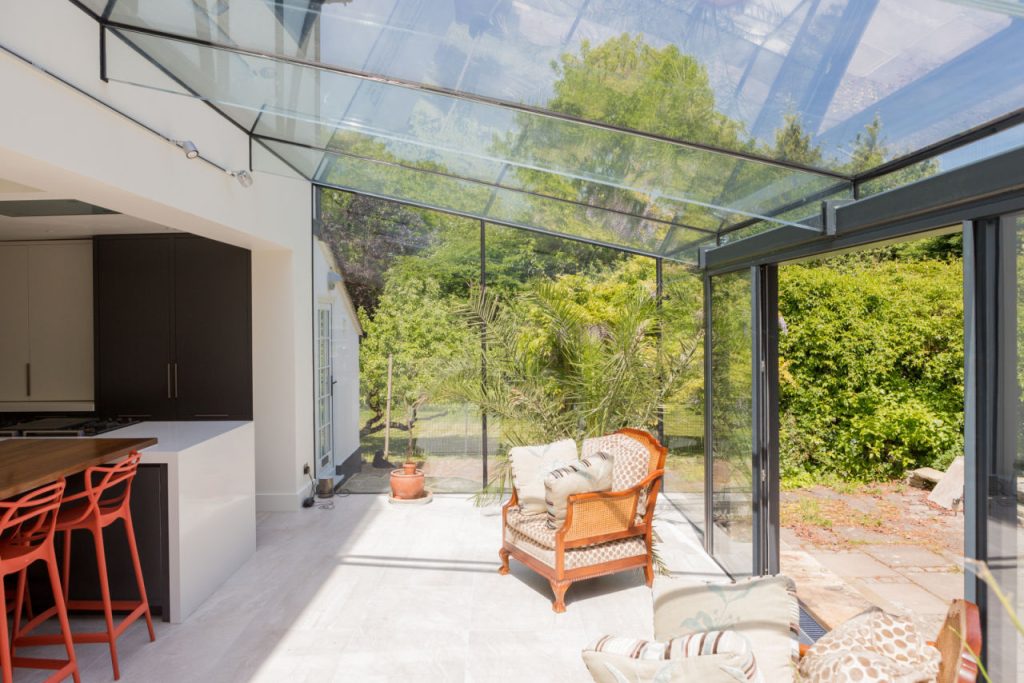
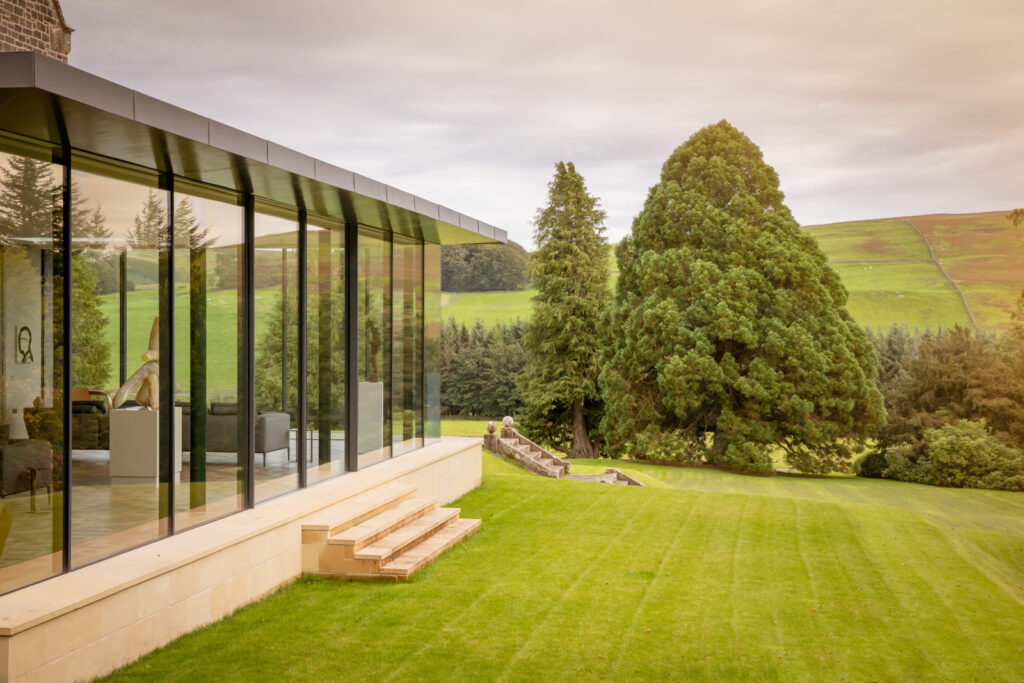
Glass is 100% recyclable without losing its core properties
3. It Supports Circular Design Through Recycling
Sustainability doesn’t end once a building has been constructed. Increasingly, architects are considering the entire lifecycle of a building’s materials—from how they are manufactured and installed to how they can be reused or recycled at the end of their service life.
Glass performs well in this respect. Although manufacturing new glass is energy intensive, it is made from abundant raw materials and can be recycled into new glass products without losing its essential properties. Recycling also reduces the demand for virgin raw materials and lowers the energy required during manufacturing.
Today’s sustainable building design also considers both operational carbon and embodied carbon. While operational carbon relates to the energy a building consumes throughout its lifetime, embodied carbon refers to the emissions associated with manufacturing, transporting and installing building materials. High-performance glazing can contribute to both by reducing operational energy demand while offering durability, longevity and recyclability.
When combined with high-quality framing systems and thoughtful specification, modern glazing supports buildings that are designed to perform efficiently for decades.
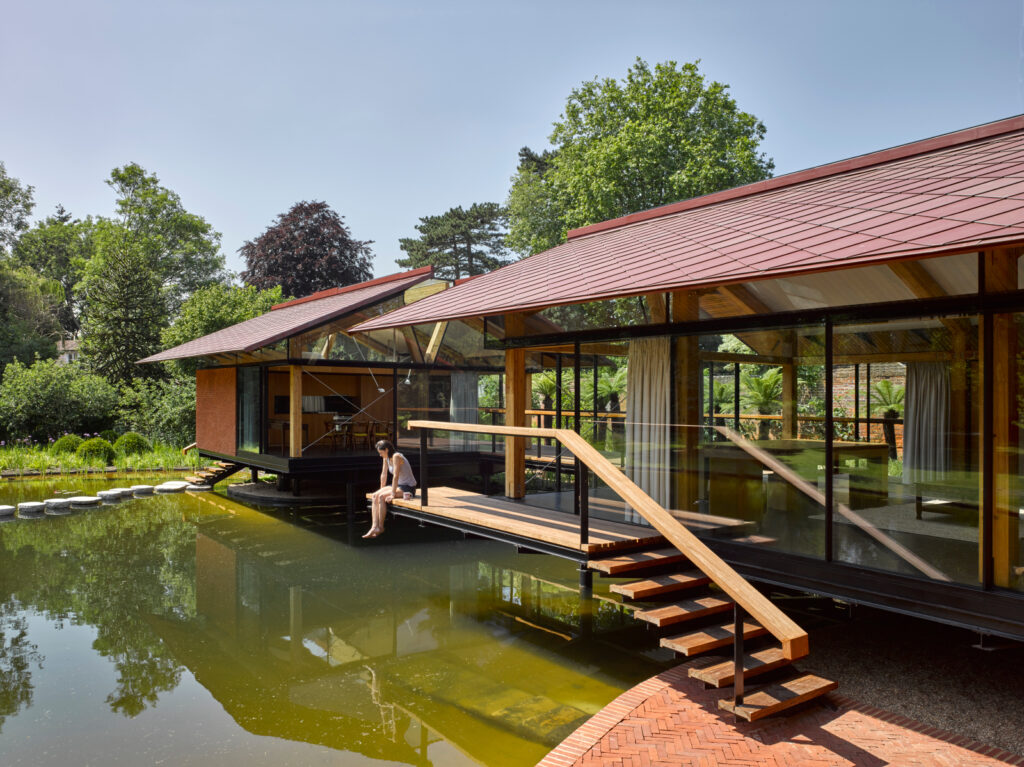
People spend around 80–90% of their lives inside buildings, making daylight, comfort and indoor environmental quality just as important as operational energy.
4. It Creates Healthier Buildings
Sustainability isn’t measured solely by energy performance or carbon emissions—it also considers the wellbeing of the people who occupy a building.
Natural daylight, views of the outdoors, comfortable indoor temperatures and good ventilation all contribute to healthier living and working environments. Research has shown that exposure to natural daylight supports healthy circadian rhythms, helping to improve sleep quality, concentration and overall wellbeing. Access to outdoor views can also reduce stress and create a stronger connection between indoor and outdoor spaces.
Large glazed openings, rooflights and structural glazing help maximise these benefits by bringing more daylight into a building while creating bright, open interiors that feel connected to their surroundings.
This human-centred approach has become an important part of many sustainability standards, including BREEAM, LEED and Passive House design principles.
5. It Enables Net Zero Homes
As the UK moves towards lower-carbon housing, Net Zero homes are becoming an increasingly important goal for architects, developers and homeowners alike.
A Net Zero home is designed to minimise energy demand before meeting any remaining requirements through renewable energy sources.
High-performance glazing plays a crucial role in achieving this balance.
When carefully positioned and correctly specified, glazing helps capture natural daylight, reduce reliance on artificial lighting and contribute to passive solar heating during colder months. Combined with excellent insulation, airtight construction and renewable technologies such as heat pumps and solar panels, high-performance glazing helps create homes that consume significantly less energy.
Rather than being an obstacle to energy performance, modern glazing has become one of the technologies that enables low-energy and Net Zero design.
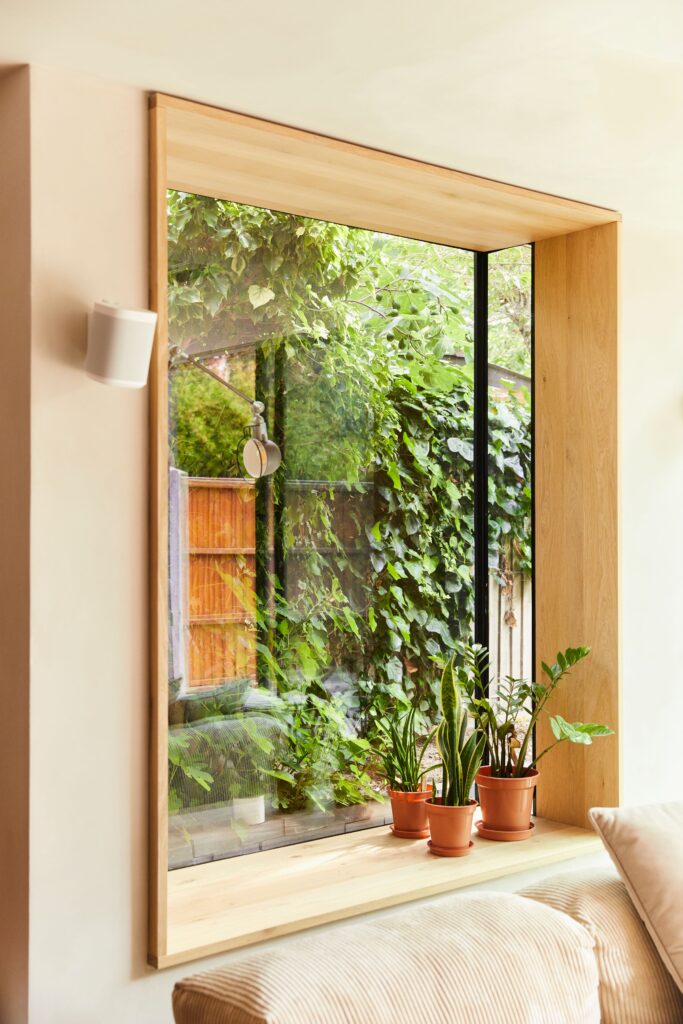
6. It Gives Architects Greater Freedom to Design Sustainably
Sustainable architecture should never mean compromising on design.
One of the greatest strengths of modern glazing is its ability to combine outstanding performance with architectural freedom.
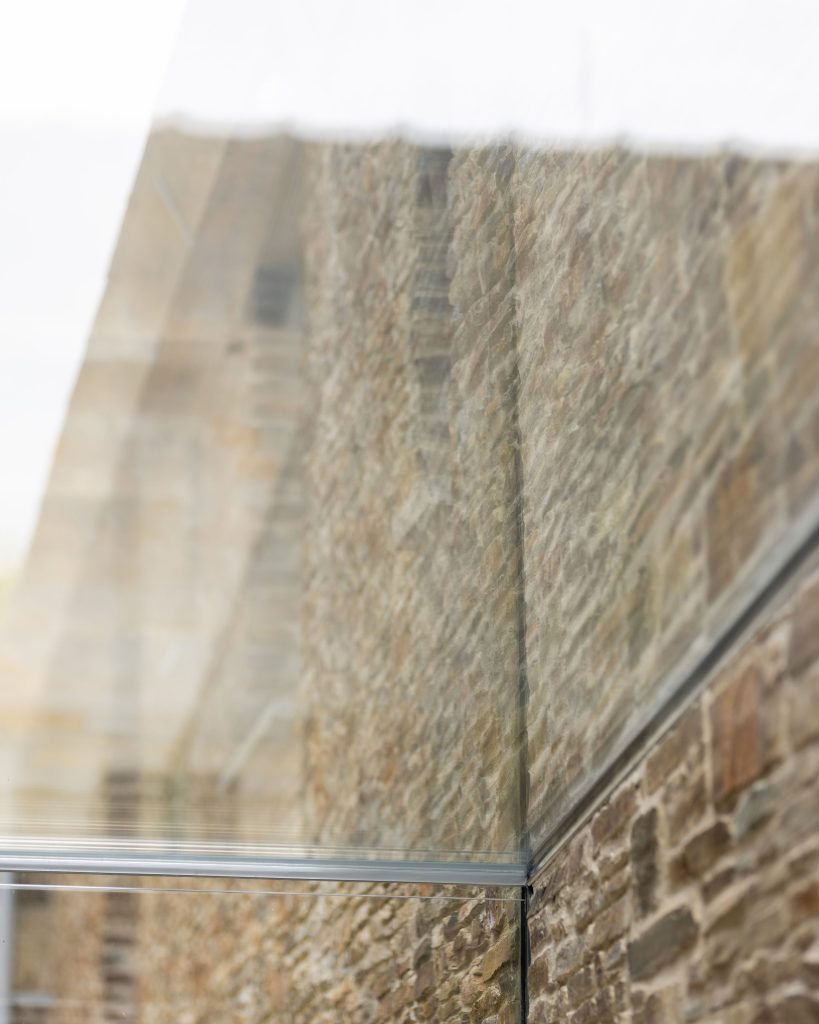
Minimal-framed sliding doors, structural glass, bespoke rooflights and frameless glazing systems allow architects to create bright, open spaces while meeting demanding energy performance requirements.
Across Europe, many of the continent’s highest-performing buildings—including Passive Houses, BREEAM-certified offices and Net Zero developments—make extensive use of high-performance glazing to maximise daylight while maintaining excellent thermal performance. From schools and hospitals to offices and homes, buildings across Europe demonstrate how generous glazing can successfully support sustainable, low-energy design.
Glass is no longer simply a transparent barrier between inside and outside. It has become an advanced building material that supports both environmental performance and exceptional architecture.
Looking to the Future
Sustainable architecture is evolving rapidly.
Today’s buildings are expected to reduce energy consumption, lower carbon emissions, improve occupant wellbeing and remain adaptable for decades to come.
Modern glazing helps achieve all of these objectives.
At Cantifix, every glazing solution is designed around the unique requirements of each project, balancing aesthetics with thermal performance, structural engineering and long-term sustainability.
When used intelligently, glass doesn’t compromise sustainability—it helps define it.
Whether you’re designing a contemporary home, commercial development or major refurbishment, selecting the right glazing specification can make a significant contribution to long-term building performance, occupant comfort and environmental sustainability.