Maximising Natural Light: The Benefits of Frameless Glass Walls in Urban Offices
Discover how Cantifix glass walls enhance natural light in urban offices & interiors. Explore the benefits of switchable glass & modern architectural glazing.
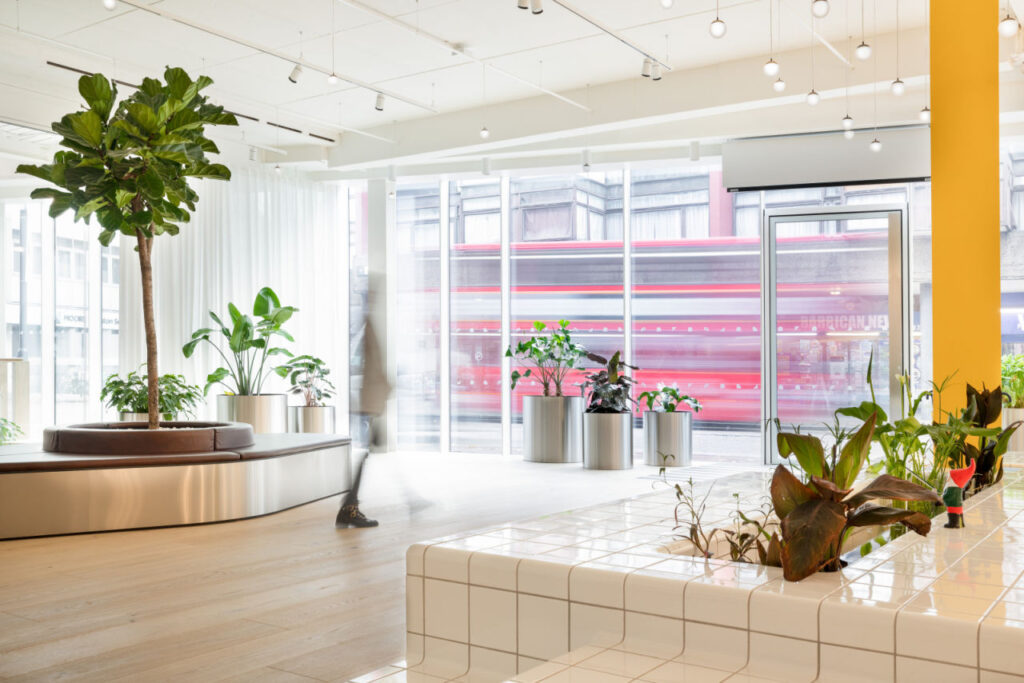
In the built-up streets of our cities, where the majority are defined by steel, brick or concrete, it can oftentimes feel like natural light is an unheard of luxury. Yet it is something that we seek out, and which is increasingly being used as an aspect in its own right by architects and developers across the world.
A new vision for urban interiors
At Cantifix, we firmly believe that glass is so much more than a mere building material, it can hold the key to transforming the lives of those occupying the building that it is attached to. Our frameless glass walls are redefining how light interacts with space, working to create urban interiors that feel open, calm and alive.
For the architects and property developers that are working hard to shape the next generation of offices, residential projects and coworking spaces, the question has moved on from merely where to use glass, but how it can be used most effectively. Frameless architectural glazing is here to offer up the answer: with it you no longer have to choose between aesthetics and practical performance. Let us explain why.


Letting in light redefines the urban experience
There is so much more to natural light in a building than simple illumination. Pure sunlight, even on cloudy days, can shape how you feel and function. If you’ve ever started a Saturday morning to a clear blue sky then you will know that feeling well.
But this isn’t just a feeling. Studies have consistently shown that daily exposure to sunlight actively improves physical health, wellbeing, mood and even productivity. For those designing urban offices or seeking urban contemporary interior design, maximising natural has has become an essential design principle, rather than a just a decorative choice or an example to show off a good view.
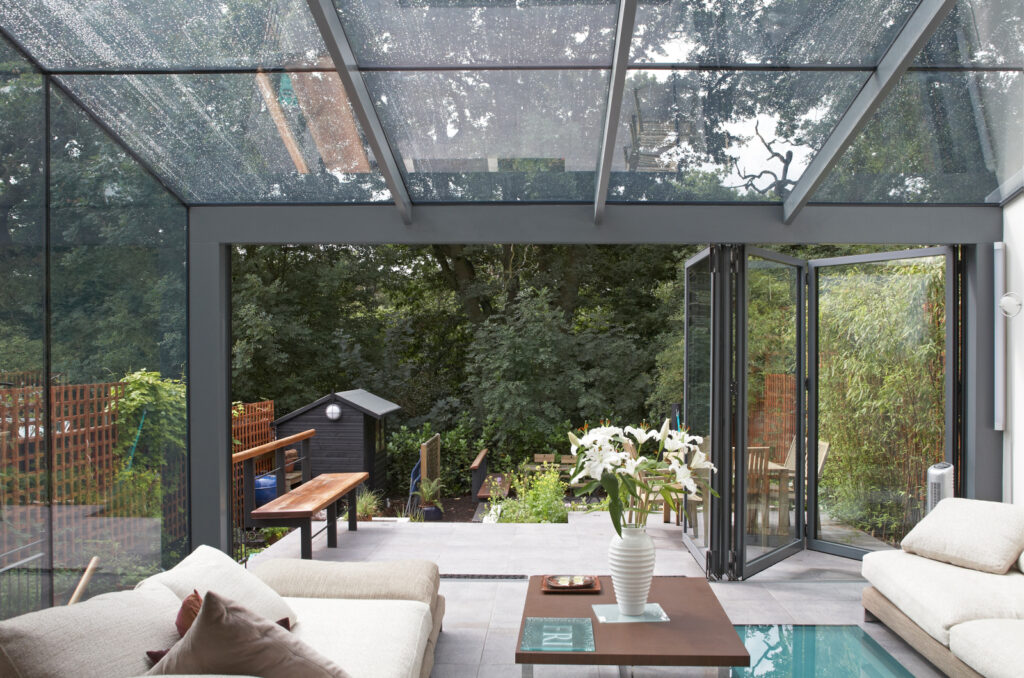
While most structural glazing or glass products will increase light exposure, frameless glass walls are particularly effective at allowing natural light to penetrate deep into a structure by essentially replacing solid walls. They can transform even the dimmest of spaces into luminous, inviting environments – something which can be a common ask when considering the Victorian or piecemeal architecture that makes up the majority of our major cities.
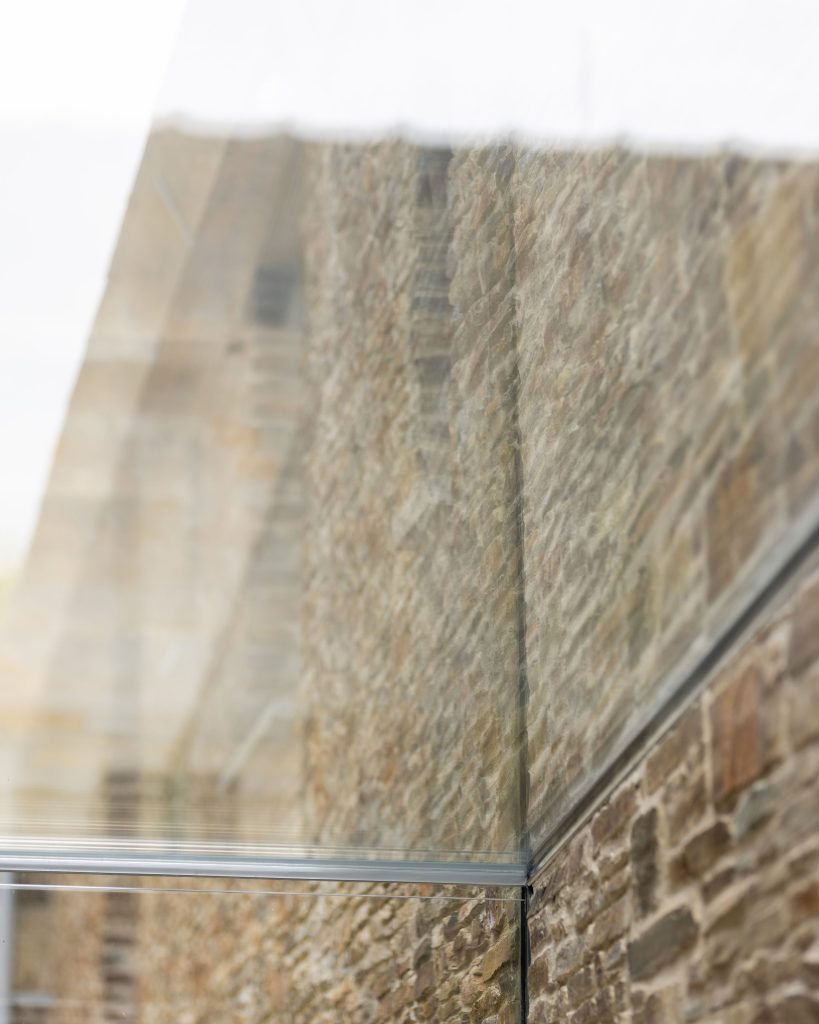
The frameless nature of such glass walls means that visible framework is no longer an issue, allowing architects to create clear, clean and uninterrupted visual connections between the inner and outer spaces, effectively opening them up, even without actually increasing the floor space.
In urban interior design every inch of space is at a premium, this sense of openness is absolutely crucial. When sunlight is let in, it interacts with other materials too, softening concrete; highlighting texture; blurring the lines between atmosphere and architecture. The results can be spectacular, balancing the transparency of the glass with the solidity of the building, and one which is quickly becoming a hallmark of urban contemporary interior design itself.
Switchable glass: privacy without compromise
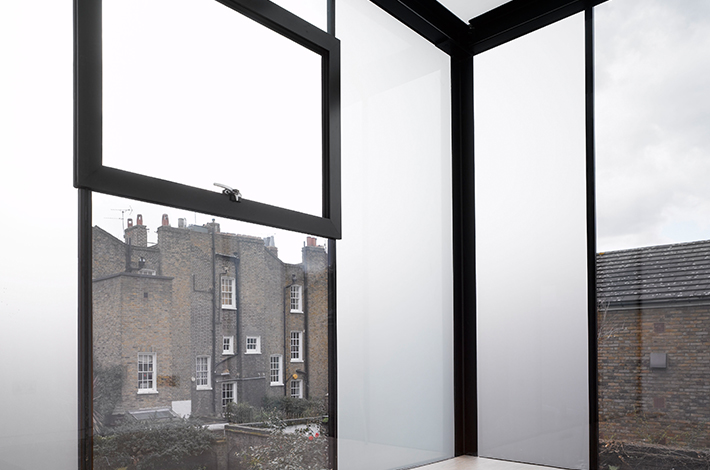
If there is one issue that is raised is the question of privacy – both professional and personal. Switchable glass provides an elegant solution which means that privacy doesn’t have to come at the expense of natural light. At the touch of a button (or app) glass panels can shift from clear to opaque, offering instant seclusion whenever it is needed.
Most urban offices nowadays are malleable entities, with ever shifting needs. Whether they are open plan or coworking spaces, switchable glass can prove invaluable for delineating space while still maintaining an open and welcoming atmosphere. Private meeting rooms can appear as if from nowhere; and can become inclusive and invisible once again when no longer needed. With this technology, designers no longer needs to choose between openness and discretion, as both can exist at the same time, ready for when they are needed.
There is also the minimalist aspect to switchable glass that makes it an alluring alternative to blinds, doors and partitions. With clean minimal lines being a central aesthetic for modern architecture and urban offices, especially in modern architectural glazing in the UK, this intelligent option is easy to use while appearing almost invisible.
How to enhance open-plan workspaces, and coworking urban offices
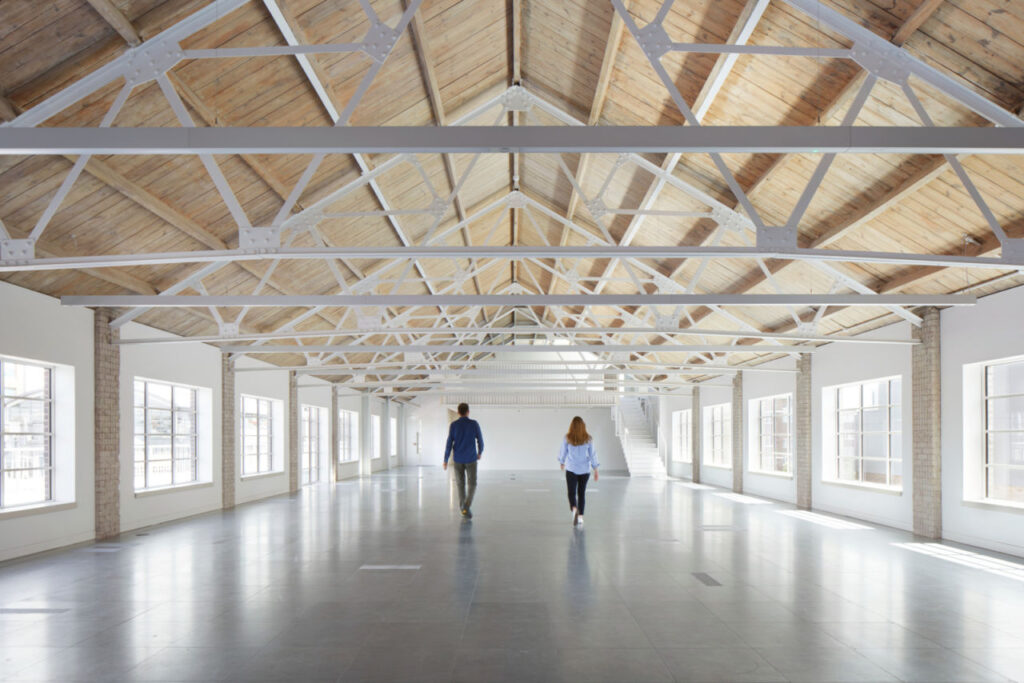
The move towards open-plan environments, with flexible deskspaces for hire, has become the norm in the post-pandemic working world, and has essentially reshaped how we work. With this has come a shift in urban office design. If you are asking people to come into the office instead of work from home, or if you are asking others to pay to rent a space at your location, then you need to offer more than dusty plastic succulents and yellowing phone hubs. The most successful spaces are full of light and air, with the right acoustic balance. Internal Frameless glass walls are regularly used to delineate areas without shutting them off, helping to achieve the feeling of togetherness and visual continuity, while also offering acoustic control necessary for deep work or sensitive meetings.
In urban offices, where density can quickly give way to fatigue, the sense of openness and light is absolutely crucial. Employees and working visitors benefit from natural daylight over harsh overhead lighting, and external views can inspire good moods, all while reducing eye-strain and enhancing focus to the task at hand.
There is also the glass itself that can be created to meet specific needs. External glass walls can have innovative layers to filter out UV rays (bad for both people and furniture fading) or include motorised opening to allow air to circulate on the hot, stuffy days. Cantifix creates every part of their glazing on a bespoke basis, tailoring everything to your unique needs, from sleek frameless glass walls for offices, to effortless sliding doors to entire facades that offer panoramic views over the city.
There is also the sustainability aspect of opting for glass, as the need for artificial lighting is reduced. With eco-credentials becoming ever more necessary for developers, architects and buyers alike, there is an ever growing variety of ways that glass can aid in creating environmentally friendly solutions for urban developments, such as triple glazed doors and windows, to solstice glass that actively harnesses the benefits of the sun.
A Cantifix example
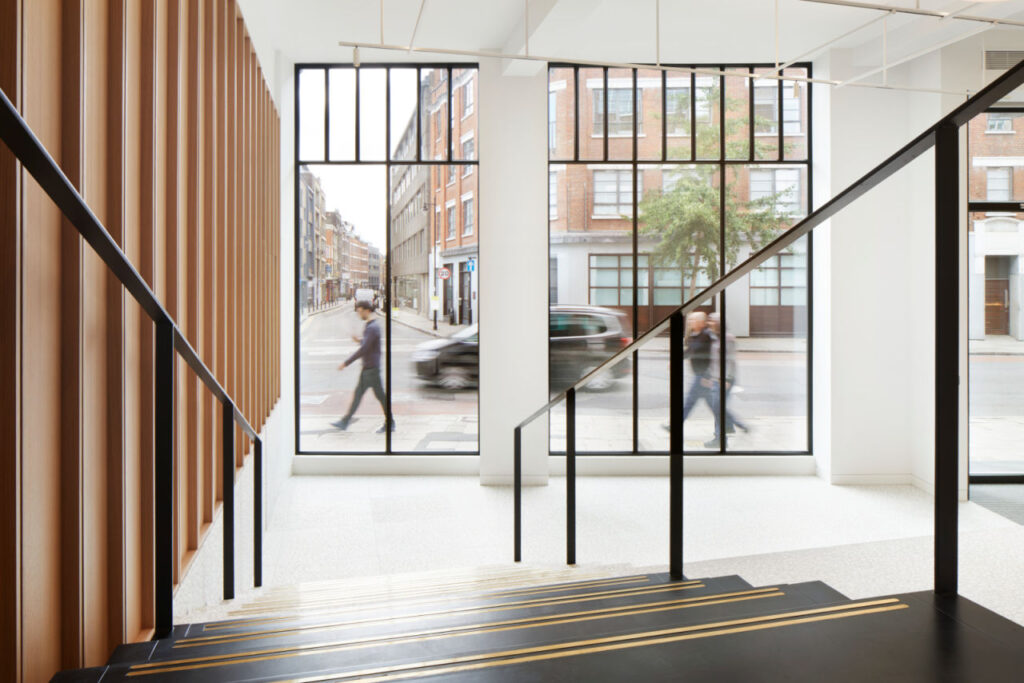
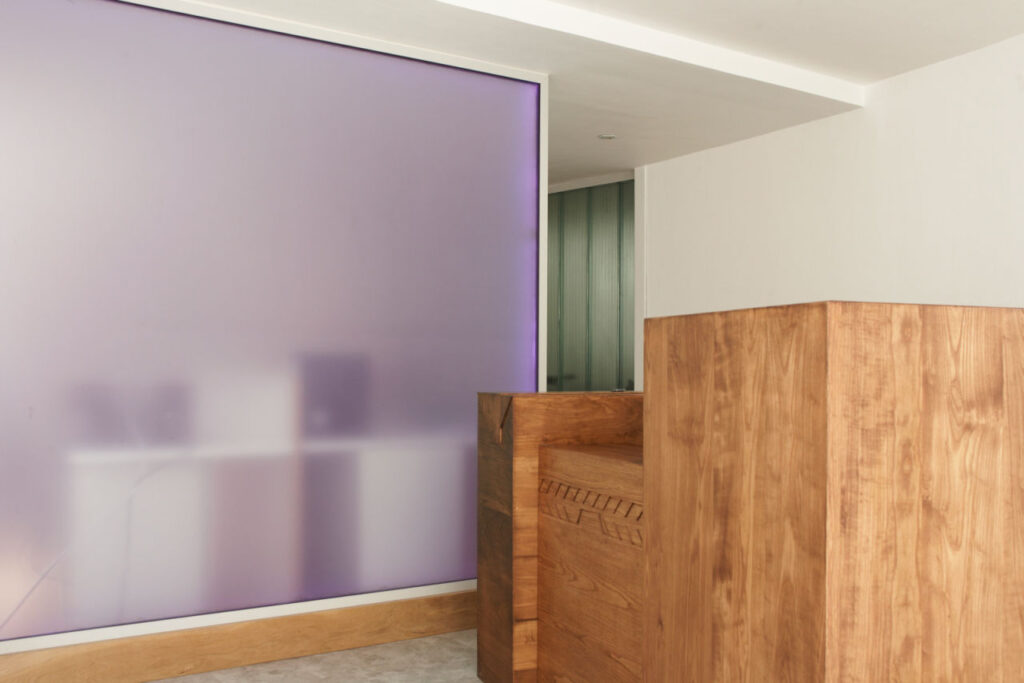
The Panagram project in the Clerkenwell district of London perfectly exemplifies how frameless glass can redefine commercial architecture and urban contemporary interior design. While the building itself has a long and storied history, the space was unable to be used to its full potential in its original state. This modern refurbishment transformed the dated office building into a light-filled hub of creativity. The expansive glass facades bring the energy of the city inside, without the noise and distraction, and ensures that every space is bathed in daylight – all without hiding or sacrificing the building’s bold architectural character.
This project demonstrates wonderfully how thoughtful glazing design can enhance both the visual identity of a space, and the performance of the urban offices it houses. The glass isn’t a distraction, set apart from the city, it is a living, breathing part of it. And by offering views of the city from inside, the frameless glass walls makes the streetview a part of the interior aesthetic of this vibrant, inner-city workplace.
Improve comfort and productivity
When employees feel connected to -and invited into- their surroundings, comfort and productivity naturally follow, and they will love coming into work. Natural light plays a crucial role in this, as it supports our circadian rhythms, and improves our concentration. By working with the natural cycles of the body and the day outside, the energy and rhythms work in tandem to help your team get the best work done and get the most out of their time in the office.
In coworking spaces this is even more important, as collaboration and creativity thieves on openness and the bouncing around of ideas. Glass can help to create this sense of equality and inclusion, by making boundaries effectively permeable and moveable. But they are still there for when privacy and focus are needed, protected by acoustic and switchable options imbued into the glazing from the beginning.
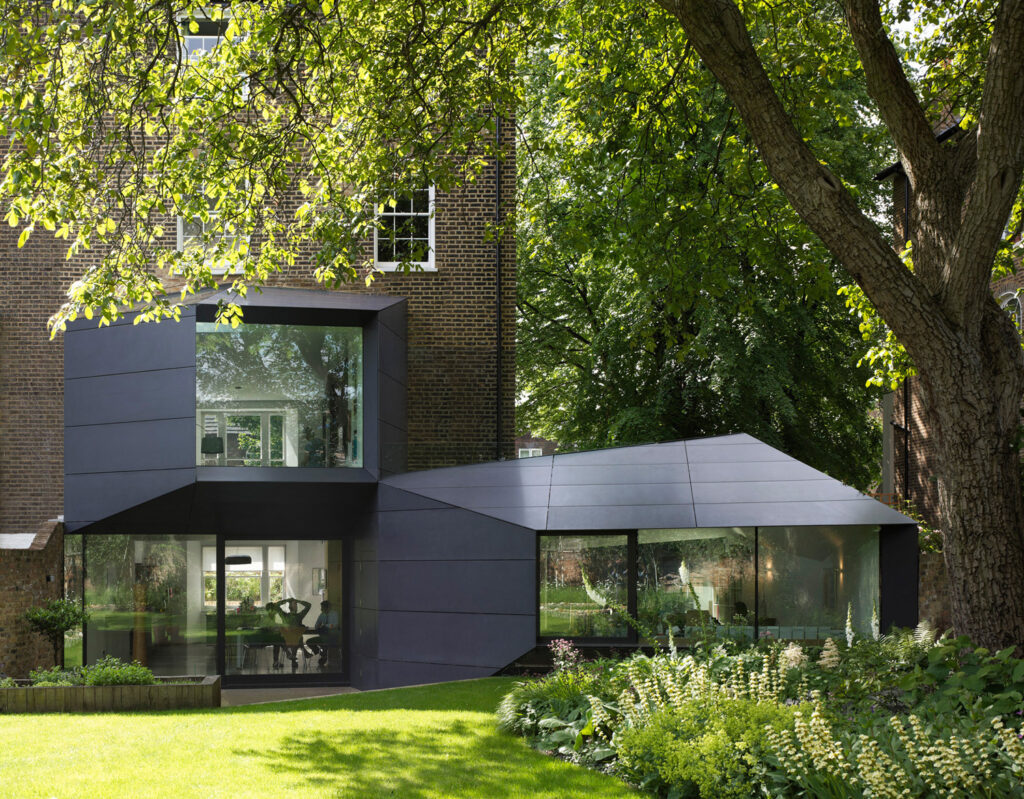
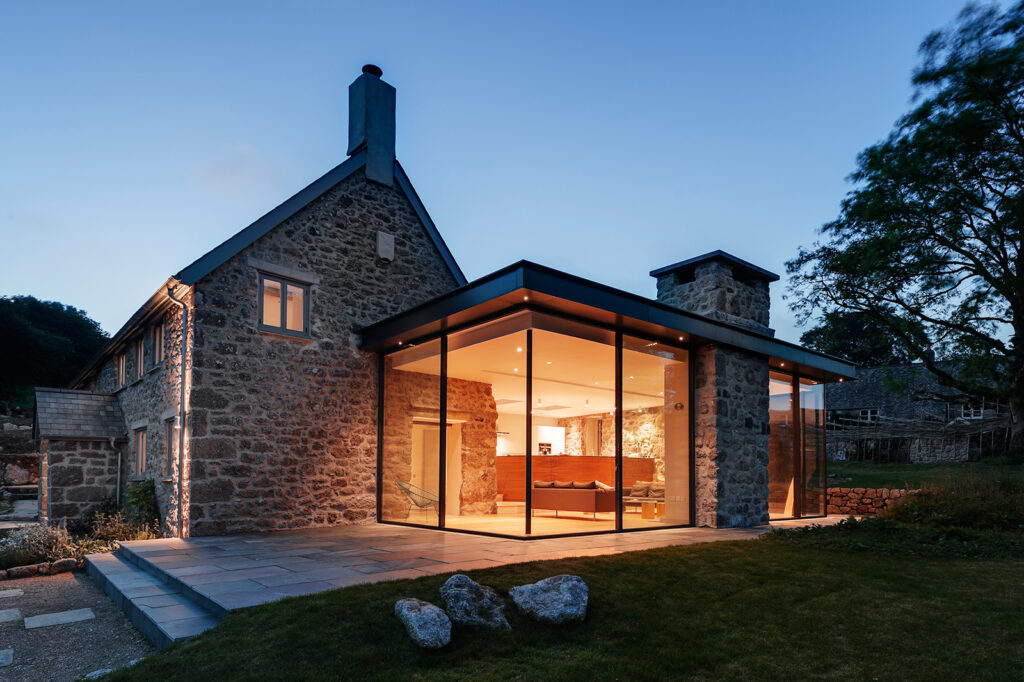
In spaces designed with frameless glass walls, light becomes a dynamic player, and for architects this represents a dual advantage: improved human experience and timeless visual style. Plus, glass itself compliments such a wide variety of materials, such as exposed steel, natural timber beams, even concrete or brick walls, allowing for a flexibility in design that is rarely seen with other mediums, all while maintaining a refined, cohesive finish.
Are you looking to renovate or build an urban office space? Design with light in mind
In the ever evolving landscape of architectural glazing in the UK, frameless glass walls stand at the middle point between artistry and engineering. They are best used in places where human lives can benefit from their unique properties. Carefully considered and constructed workplaces will use them to capture what all urban offices need the most: openness and light but also adaptability for whatever comes next.
Get in touch with our team to see how Cantifix architectural glazing can help elevate your plans.