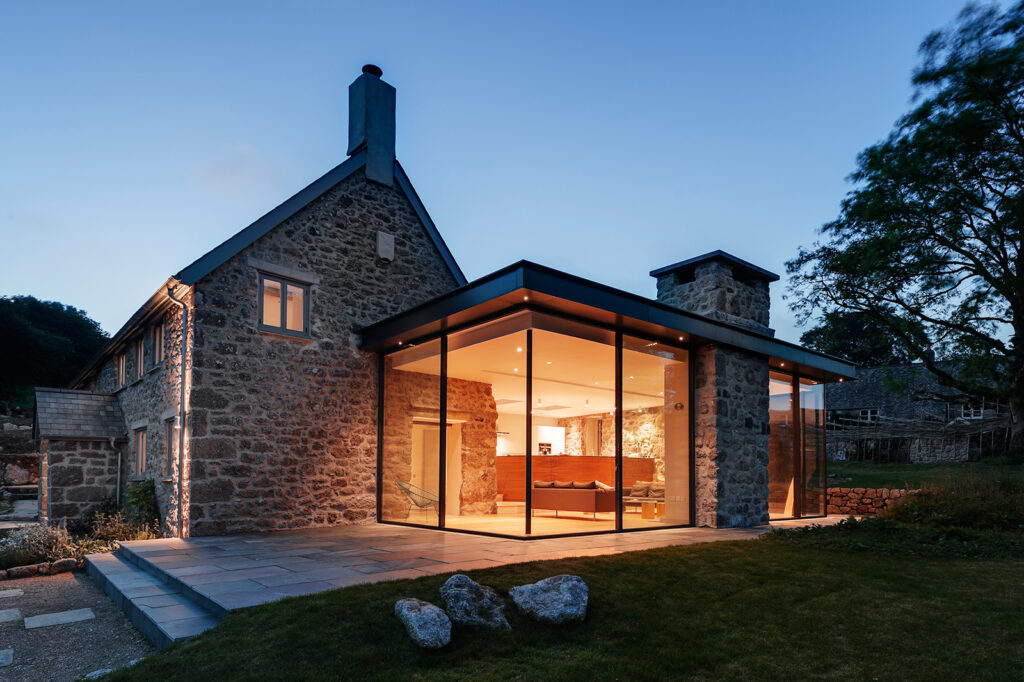
Are Glass Extensions Cold? What You Need to Know
One of the most common questions people ask before considering a glass extension is a simple one: are glass extensions cold?
It is an understandable concern. Older conservatories earned a reputation for being cold in winter and too hot in summer, and it is easy to assume that a room surrounded by glass will behave in the same way.
But modern glass extensions are very different. With high-performance glazing, careful specification and good architectural design, it is possible to create large expanses of glass without sacrificing year-round comfort.
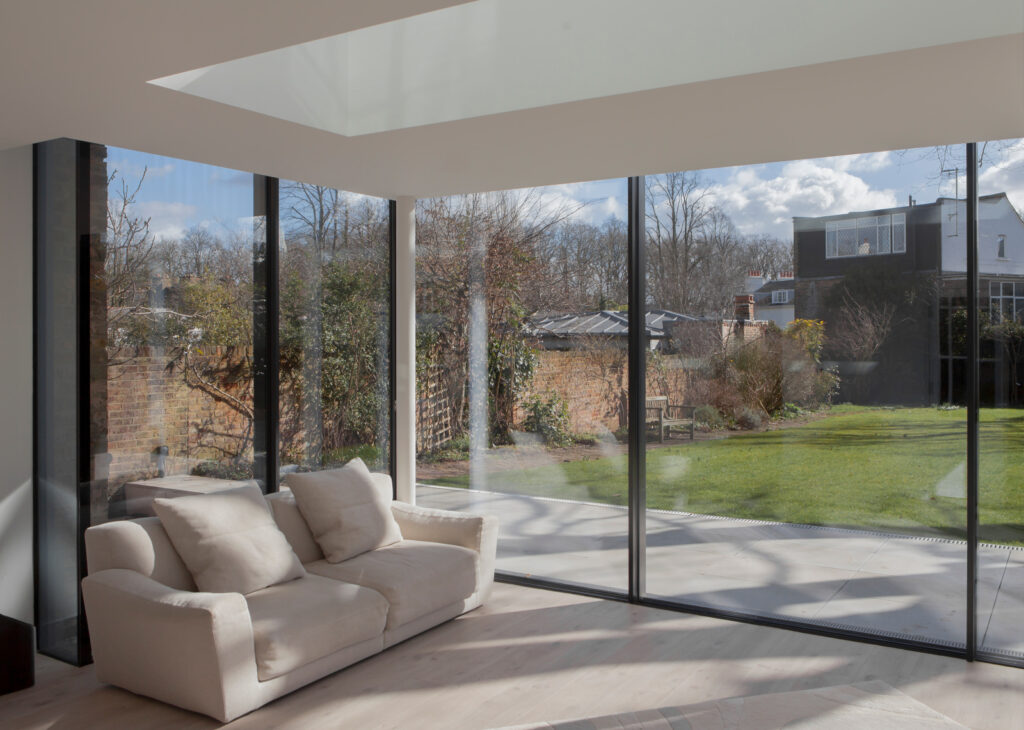
Are glass extensions cold in winter?
A properly designed contemporary glass extension should not simply become unusably cold when the temperature drops.
Modern architectural glazing can incorporate technologies such as double or triple glazing, low-emissivity (low-E) coatings and insulated cavities to reduce heat transfer through the glass. The right specification will depend on the individual project, including the size and orientation of the extension and the performance of the existing building.
The key is to think about the glass extension as a complete structure, rather than focusing on the glass alone.
The glazing, framing, seals, junctions, ventilation and wider building envelope all contribute to its thermal performance.
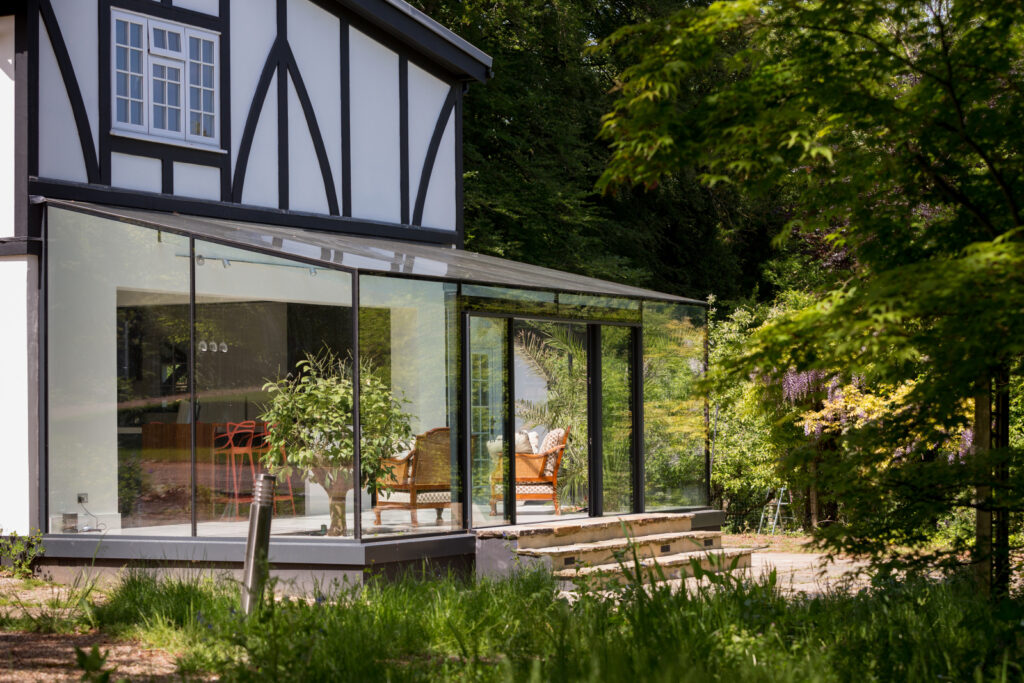
What makes a glass extension thermally efficient?
One important measurement is the U-value, which indicates the rate at which heat transfers through a building element. In simple terms, a lower U-value means better thermal insulation.
However, creating an energy-efficient glass extension is about more than choosing glazing with a low U-value.
The orientation of the building, amount of glazing, framing system, ventilation, heating strategy and potential for solar gain should all be considered during the design process.
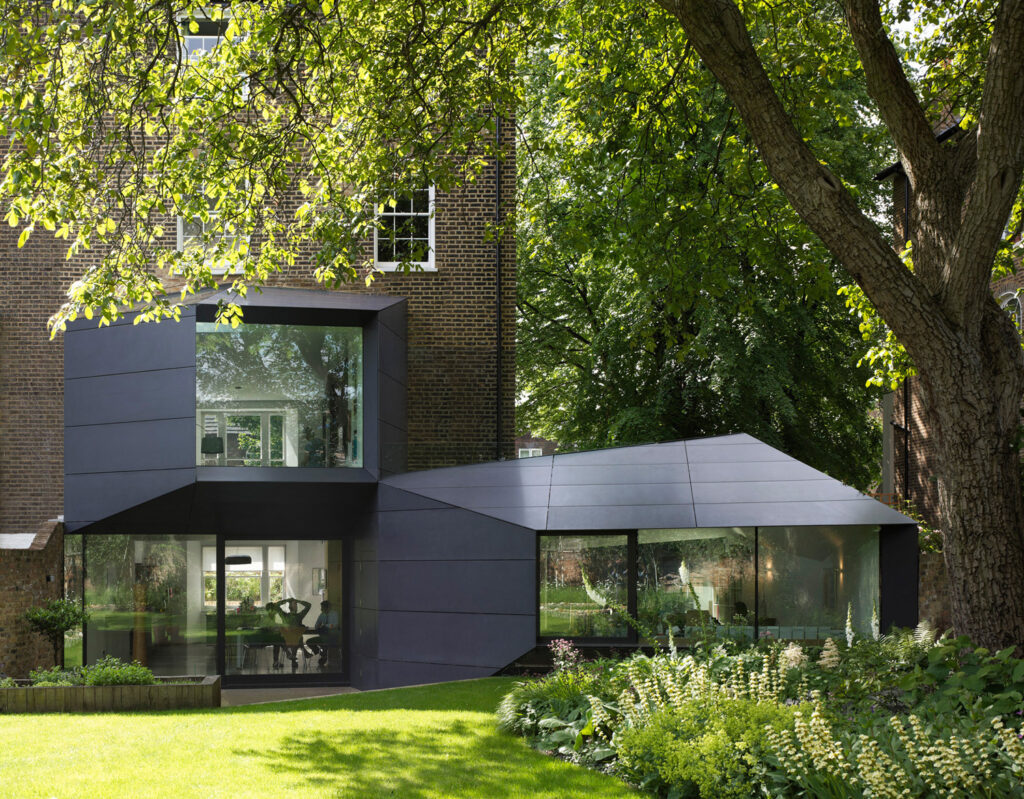
This is particularly important when designing large glass extensions or glass box extensions, where seemingly simple expanses of glazing can require sophisticated engineering behind the scenes.
Thermal performance is just one of several misconceptions surrounding highly glazed spaces. We explore some of the others in our guide to the most common myths about contemporary glass extensions.
Do glass extensions get too hot in summer?
Keeping a glass extension comfortable isn’t only about retaining warmth in winter. Solar gain and overheating in summer also need to be considered.
Depending on the project, solar-control glazing, low-E coatings, ventilation and shading can all contribute to managing the internal temperature.
The objective is to balance insulation with solar control, creating a glass extension that can be enjoyed throughout the year, rather than designing solely for one season.
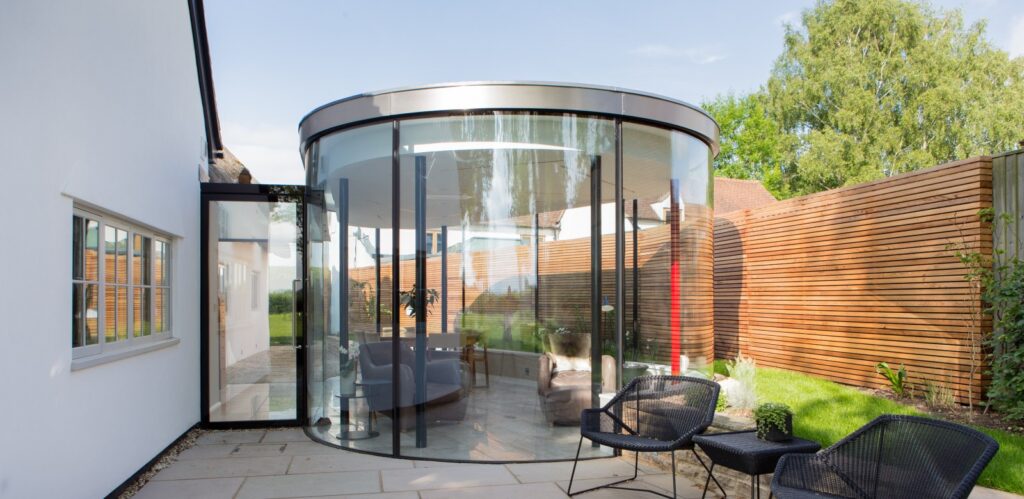
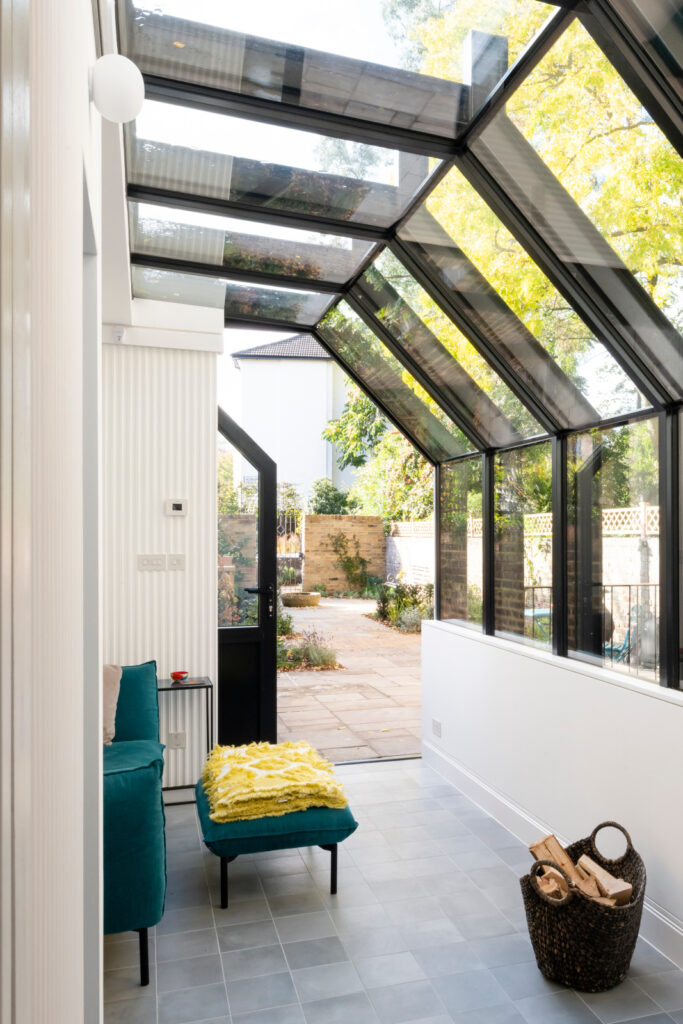
Do glass extension frames affect thermal performance?
When thinking about the thermal performance of a glass extension, it’s easy to concentrate entirely on the glass.
But the framing system matters too.
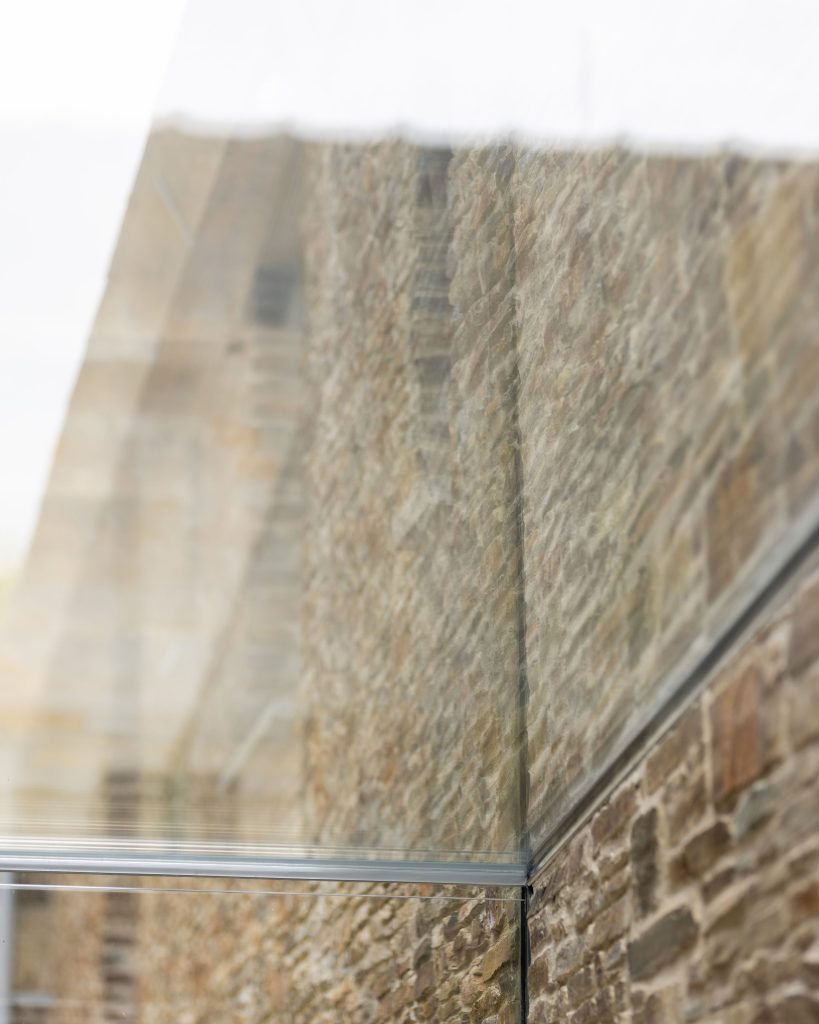
The frame creates another potential route for heat transfer, which is why modern glazing systems are designed with thermal performance in mind. Careful detailing can help minimise thermal bridging while still allowing the exceptionally slim sightlines associated with contemporary architectural glazing.
And the same principle applies to connections and junctions throughout the structure.
A glass extension might look remarkably simple when complete — perhaps little more than a series of uninterrupted glass elevations — but achieving that simplicity can require considerable engineering behind the scenes.
What about a glass roof extension?
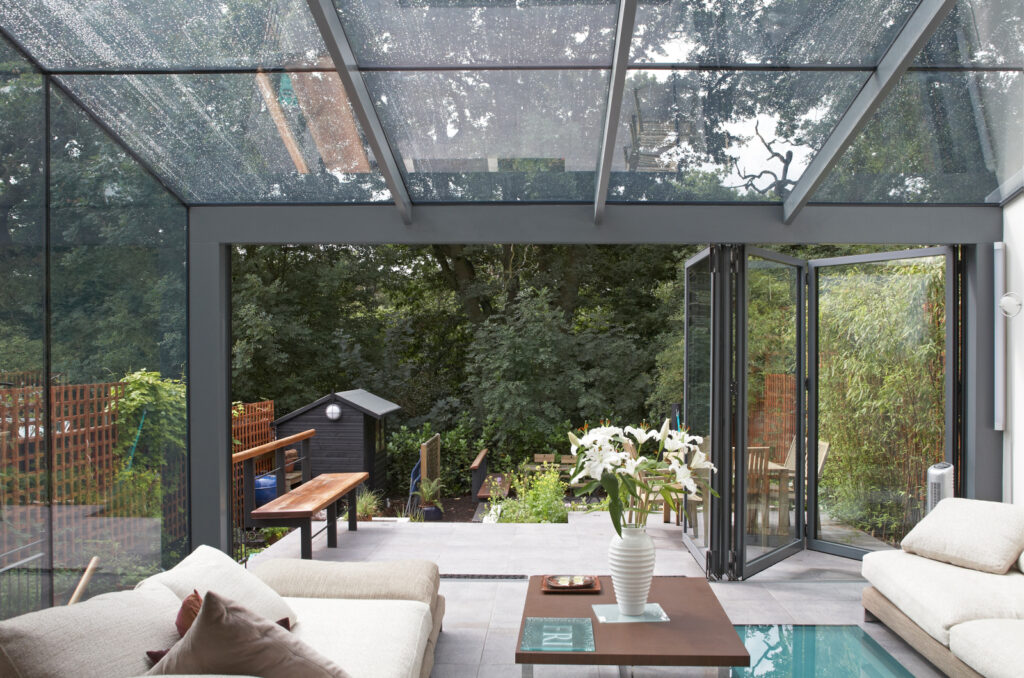
Adding a glass roof to an extension can dramatically increase the amount of natural light entering both the new space and the existing property.
As with vertical glazing, specification matters. The orientation and size of the roof, thermal performance of the glass and exposure to direct sunlight all need to be considered.
Different projects may also benefit from solar-control glazing or opening roof elements that provide additional ventilation. If you’re considering overhead glazing, our guide to choosing a glass extension roof explores the options in more detail.
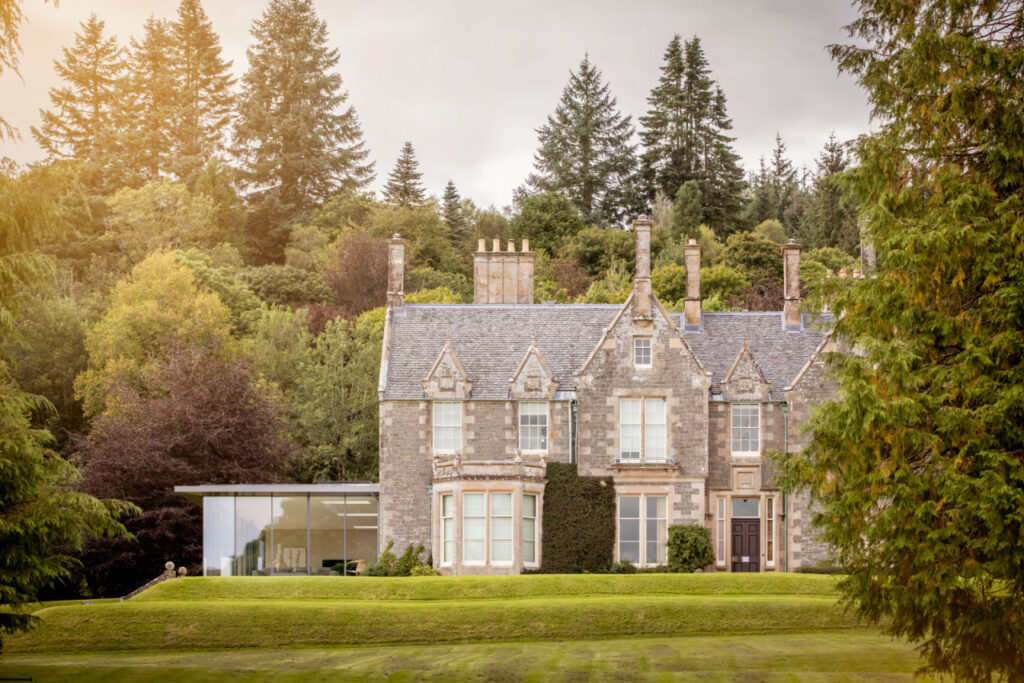
Can you add a glass extension to an older home?
Glass extensions aren’t limited to contemporary properties.
In fact, the visual contrast between historic brick or stone and minimalist structural glazing can make glass particularly effective when extending an older building.
Older properties do introduce additional considerations, from the performance of the existing building fabric to planning requirements and listed building consent. Our guide to adding modern glass extensions to old buildings covers these considerations in more detail.
So, can a glass extension be warm all year round?
Yes. A modern glass extension can be designed to provide a comfortable living space throughout the seasons.
The difference lies in the design.
High-performance glazing, appropriate coatings, carefully engineered framing and consideration of factors such as orientation, ventilation and solar gain can all contribute to the performance of a contemporary glass extension.
That means homeowners and architects don’t necessarily have to choose between large expanses of glass, natural light and thermal comfort.
And once you’ve solved the practical considerations, the possibilities for the space itself are extensive. From kitchens and dining areas to places to work and relax, explore our ideas for making the most of a glass extension.
Considering a project of your own? Explore Cantifix’s bespoke glass extensions and speak to our team about the right glazing solution for your home.